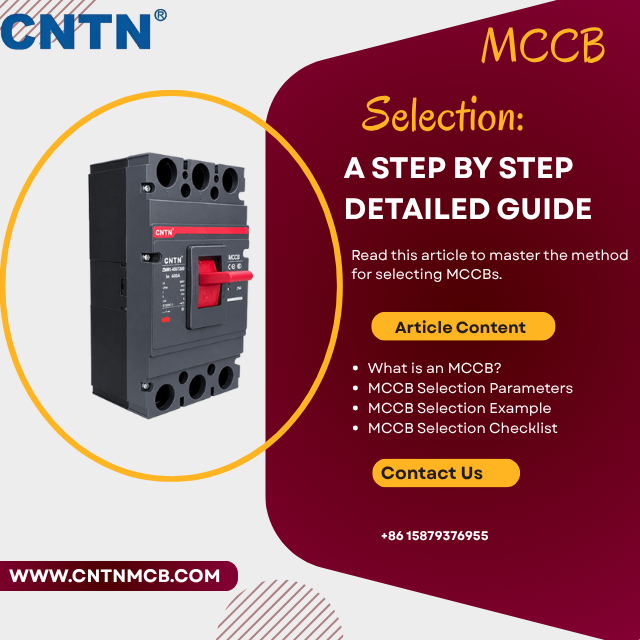
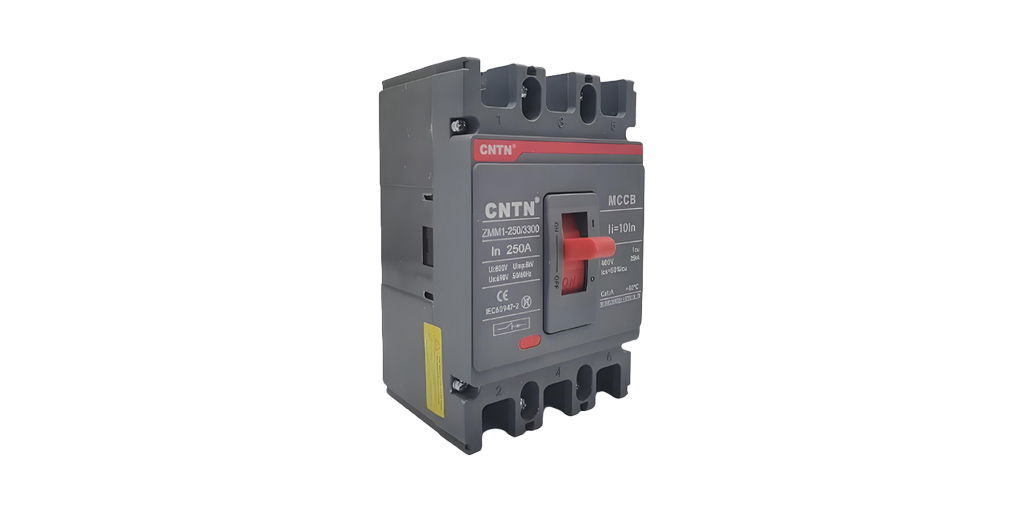
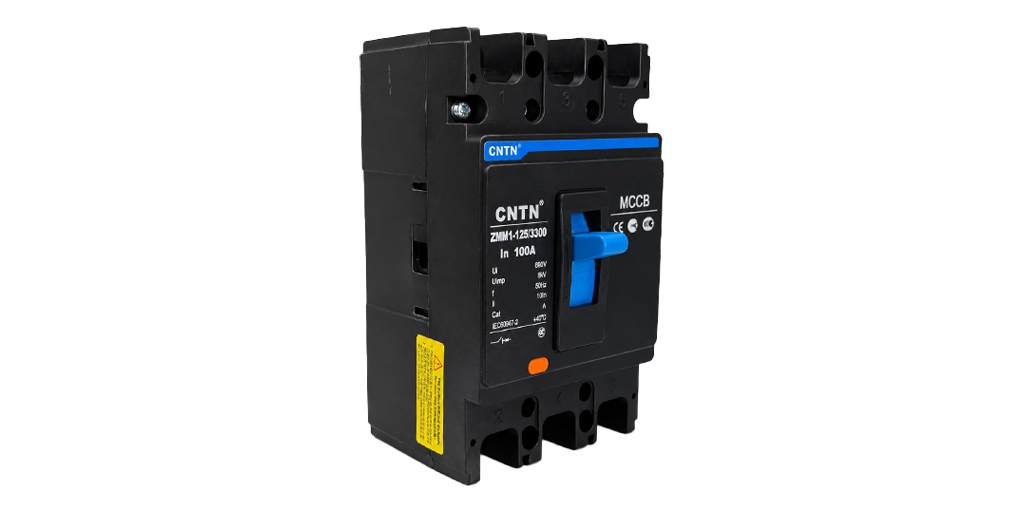
قواطع الدائرة ذات الغلاف المصبوب (MCCBs) تُستخدم على نطاق واسع لحماية أنظمة التوزيع الكهربائي من حالات الحمل الزائد وقصر الدائرة.
تُستخدم قواطع التيار الكهربائي ذات الصمامات (MCCBs) في المنشآت الصناعية والمباني التجارية ولوحات التوزيع والآلات وغيرها من التطبيقات التي تتطلب تيارًا عاليًا.
لا يقتصر اختيار قاطع الدائرة المعدني (MCCB) المناسب على مجرد مطابقة القيمة الاسمية للتيار (بالأمبير) للقاطع مع تلك الخاصة بالحمل.
ومن بين الاعتبارات الأخرى: تيار الحمل، والجهد الكهربائي للنظام، وعدد الأقطاب، وقدرة القطع، ومنحنى القطع، وحجم الكابل، والظروف البيئية، وتنسيق الحماية.
سيقدم فريقنا اليوم إرشادات تفصيلية خطوة بخطوة لاختيار قاطع الدائرة الكهربائية (MCCB).
وسيكون هذا مفيدًا للمهندسين والكهربائيين وصانعي اللوحات الكهربائية والموزعين والمشترين الذين يرغبون في اختيار قاطع دوائر معياري (MCCB) يوفر حماية كافية دون أن ينقطع التيار دون داعٍ.
ما المقصود باختيار قاطع الدائرة الكهربائية (MCCB)؟
يتضمن اختيار قاطع الدائرة الكهربائية ذي الغلاف المصبوب (MCCB) عملية اختيار هذا النوع من القواطع بناءً على المتطلبات الكهربائية والميكانيكية والبيئية للمنشأة.
تشمل معايير الاختيار تيار الحمل العادي، والجهد، ومستوى العطل، وسعة الموصل، وخصائص التشغيل، واحتياجات الحماية.
وبالتالي، فإن اختيار قاطع الدائرة المتعدد الأغراض (MCCB) يختلف عن اختيار قاطع الدائرة ذي التصنيف التياري المناسب.
وذلك لأن الاختيار المناسب سيضمن التشغيل الآمن في الظروف العادية والاستثنائية.
لماذا يُعد اختيار قاطع التيار الكهربائي (MCCB) المناسب أمرًا مهمًّا؟
يؤدي الاختيار الصحيح لمفاتيح القاطع المتعدد القطب (MCCB) إلى توفير حماية فعالة من الحمل الزائد وقصر الدائرة.
ويضمن ذلك أيضًا حماية الكابلات والمحركات والمحولات ومعدات التوزيع والمكونات الكهربائية الأخرى من التيار الزائد.
يؤدي الاختيار غير السليم لقواطع الدائرة المتعددة (MCCBs) إلى انقطاع التيار المتكرر، وارتفاع درجة الحرارة، وسوء قطع التيار عند حدوث عطل، وعدم كفاءة تشغيل النظام.
لمحة عامة عن معايير اختيار قواطع التيار الكهربائي (MCCB)
قبل اختيار قاطع الدائرة الكهربائية (MCCB)، يجب تحديد المعلمات الكهربائية ومعلمات التركيب الرئيسية. فهذه العوامل تعمل معًا وليس بشكل مستقل.
| المعلمة | ما تحتاج إلى تحديده |
|---|---|
تيار الحمل |
تيار التشغيل العادي |
التيار المقنن |
القيمة المقننة المطلوبة للأمبير في قاطع الدائرة الكهربائية (MCCB) |
الفولتية |
جهد تشغيل النظام |
الأعمدة |
2P، 3P، أو 4P |
القدرة الاستيعابية |
تيار الدائرة القصيرة المتوقع |
وحدة التعثر |
حراري مغناطيسي أو إلكتروني |
إعدادات الرحلة |
خصائص الحماية المطلوبة |
حجم الكابل |
قدرة التيار المسموح بها للموصل |
التركيب |
درجة الحرارة والبيئة |
التنسيق |
حماية المنبع والمصب |
الخطوة 1: حساب تيار الحمل
تحديد الحمل المتصل
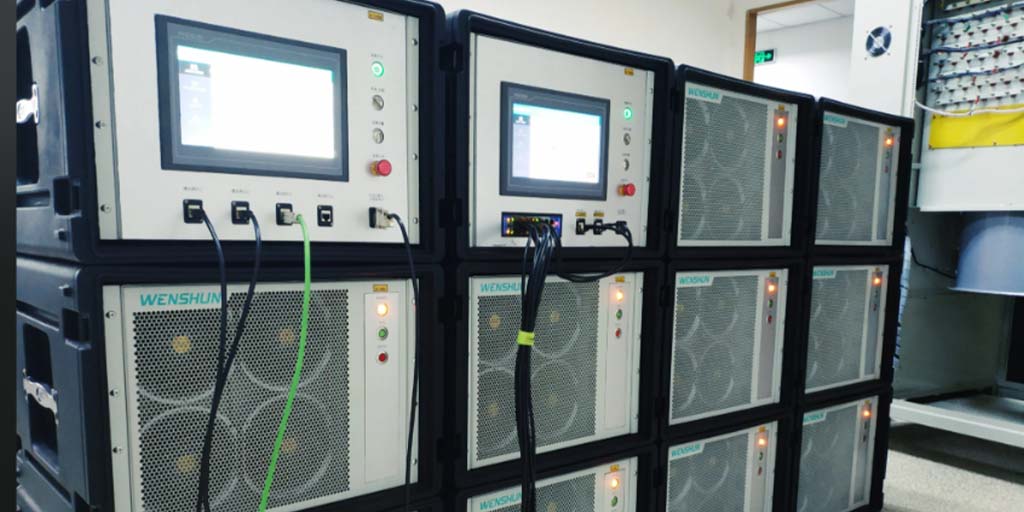
أولاً، حدد إجمالي الحمل الكهربائي المتصل.
تحديد الأحمال المستمرة والأحمال غير المستمرة، وكذلك المعدات الرئيسية مثل المحركات، وأجهزة التسخين، وأحمال الإضاءة، والمحولات، والآلات الأخرى.
سيُعتبر الحمل المتصل أساسًا لحساب تيار الحمل الذي يحمله قاطع الدائرة الكهربائية (MCCB).
من المهم ملاحظة أن إجمالي الحمل المتصل لا يمثل دائمًا الحمل الفعلي.
حساب تيار الحمل الكامل
بالنسبة للحمل أحادي الطور، يمكن تقدير التيار عمومًا باستخدام
I = P / (V × PF)
بالنسبة للنظام ثلاثي الأطوار:
I = P / (√3 × V × PF)
أين I هل هو محدث،, P هي القوة،, V هو الجهد، و ف ف هو معامل القدرة.
في حالة الأحمال المقاومة، يمكن أن يقترب معامل القدرة من الوحدة. وتستلزم أحمال المحركات اهتمامًا إضافيًا نظرًا لأن تيار بدء تشغيلها أعلى بكثير مقارنة باستهلاكها المعتاد للتيار.
ضع في اعتبارك التوسع المستقبلي في الأحمال
لا تختر قاطع الدائرة الكهربائية (MCCB) المناسب بناءً على الحمل الحالي فقط إذا كان من المتوقع حدوث نمو في المستقبل.
ولكن لا تفرط في ذلك أيضًا باختيار قاطع دوائر معدني (MCCB) كبير جدًّا، مما قد يضعف الحماية من الحمل الزائد.
الخطوة 2: تحديد القيمة المقننة للتيار المطلوبة لمفتاح MCCB
مطابقة تصنيف قاطع الدائرة الكهربائية (MCCB) مع تيار التشغيل
تسلسل الاختيار الأساسي هو:
تيار الحمل → القيمة الاسمية المطلوبة للتيار → القيمة الاسمية القياسية لمفتاح MCCB
على سبيل المثال، عندما يبلغ التيار التشغيلي المحسوب حوالي 144 أمبير، قد يكون من المناسب استخدام قاطع دوائر معياري (MCCB) بتيار مقنن يبلغ 160 أمبير، إذا كانت جميع العوامل الأخرى تدعم هذا الخيار.
تجنب اختيار المقاس الأصغر من اللازم
قد يتسبب قاطع الدائرة الكهربائية (MCCB) ذو السعة غير الكافية في انقطاع التيار مرات عديدة أثناء التشغيل العادي، مما يؤدي إلى إيقاف التشغيل دون داعٍ، ويعيق سير العملية، ويؤدي إلى مشاكل صيانة غير ضرورية.
تجنب اختيار المقاس الأكبر من اللازم
إذا كان حجم قاطع الدائرة المغناطيسي (MCCB) أكبر من اللازم، فلن تتوفر حماية مناسبة للموصلات من الحمل الزائد.
كما أن اختيار مقاس أكبر من اللازم لقاطع الدائرة الكهربائية (MCCB) يقلل من حساسية الحماية ويؤدي إلى تدفق تيار عالي المستوى عبر الدائرة.
مثال
في حالة حساب التيار التصميمي بقيمة 144 أمبير، يُفضل اختيار قاطع دوائر معدني (MCCB) بقدرة 160 أمبير بدلاً من اختيار قاطع ذي قدرة تصنيفية أعلى بكثير. ويجب التحقق من صحة هذا القرار مقارنةً بالسعة الحاملة للكابل.
الخطوة 3: فحص جهد النظام
الجهد التشغيلي المقنن
من الضروري أن يكون للقاطع الكهربائي (MCCB) الجهد المقنن المناسب وفقًا لنظام الطاقة. ويجب أن يكون الجهد المقنن للقاطع مساويًا لجهد النظام أو أعلى منه.
إن تحديد جهد كهربائي غير مناسب للقاطع الكهربائي سيشكل خطرًا على السلامة.
تطبيقات التيار المتردد والتيار المستمر
لا يمكن استخدام تطبيقات التيار المتردد والتيار المستمر بالتبادل. قد يكون قطع التيار المستمر أكثر صعوبة لأن التيار لا يصل إلى الصفر تلقائيًا، على عكس التيار المتردد الذي يصل إلى الصفر.
وبالتالي، فإن قاطع الدائرة المعدني (MCCB) المستخدم في تطبيقات التيار المستمر يتطلب قيمًا صحيحة للجهد المستمر وقدرة القطع، وفقًا لما تحدده الشركة المصنعة لهذا القاطع.
تحقق من العزل ومتطلبات النظام
تأكد من أنك قد تحققت من قيم الجهد العازل بالإضافة إلى أي معايير أخرى مطلوبة. ومن الضروري مراجعة المواصفات الواردة في كتيب المنتج.
الخطوة 4: تحديد عدد الأقطاب
سيتحدد عدد الأقطاب بناءً على تصميم النظام وما إذا كانت هناك حاجة إلى تبديل أو عزل السلك المحايد.
قاطع دوائر متعدد الأقطاب ثنائي القطب (MCCB)
من الممكن استخدام قاطع دوائر معدني (MCCB) ثنائي القطب في بعض العمليات أحادية الطور عندما يتعين إيقاف تشغيل القطبين أو عزلهما.
قاطع الدائرة الكهربائية القابل للصيانة (MCCB) ثلاثي الأقطاب
عادةً ما يُستخدم قاطع الدائرة الكهربائية القابل للصيانة (MCCB) ثلاثي الأقطاب في الحالات التي تتطلب تشغيل المراحل الثلاث دون تشغيل السلك المحايد.
قاطع تيار مغناطيسي (MCCB) رباعي الأقطاب
في النظام ثلاثي الأطوار مع السلك المحايد، حيث توجد حاجة إلى تبديل أو عزل السلك المحايد، يتم استخدام قاطع دوائر معدني (MCCB) رباعي الأقطاب.
| عمود | الاستخدام النموذجي | اعتبارات الاختيار |
|---|---|---|
2P |
الدوائر أحادية الطور |
التحقق من متطلبات خط التيار والخط المحايد |
3P |
الدوائر ثلاثية الأطوار |
يُستخدم في الحالات التي لا تكون فيها الحاجة إلى التبديل إلى الوضع المحايد |
4P |
ثلاثي الأطوار + محايد |
يُستخدم في الحالات التي تتطلب التبديل/العزل في الوضع المحايد |
الخطوة 5: تحديد سعة الكبح المطلوبة
ما هي سعة قطع التيار في قاطع الدائرة المغناطيسي (MCCB)؟
القدرة القصوى على قطع التيار هي أعلى قيمة للتيار يمكن لمقاطع التيار الكهربائي (MCCB) قطعها بأمان في ظل ظروف محددة.
وهذا أحد الاعتبارات الرئيسية التي يجب أخذها في الحسبان عند اختيار قاطع الدائرة المعدني (MCCB)، حيث إن تيارات الأعطال قد تصل إلى عدة أضعاف تيارات التشغيل.
تحديد تيار الدائرة القصيرة المتوقع
يجب حساب تيار الدائرة القصيرة المحتمل/المتاح لنقطة التركيب. ويعتمد تيار الدائرة القصيرة المحتمل/المتاح على مصدر التيار الكهربائي، والمحول، والمقاومة، والموصلات، وما إلى ذلك.
يجب أن تتوافق قدرة قطع التيار الخاصة بقاطع الدائرة المعدني (MCCB) مع تيار العطل المتوقع عند نقطة التركيب.
Icu مقابل Ics
وحدة العناية المركزة, ، أو قدرة قطع الدائرة القصيرة القصوى، تمثل الحد الأقصى لتيار الدائرة القصيرة الذي يمكن للمقطع قطعه في ظل ظروف اختبار محددة.
Ics, ، أو سعة قطع الدائرة القصيرة للخدمة، تمثل مستوى تيار الدائرة القصيرة المرتبط بقدرة القاطع على الاستمرار في توفير الخدمة بعد إجراء اختبارات انقطاع محددة.
Both values should be reviewed when selecting an MCCB, particularly for critical installations.
Why Breaking Capacity Must Not Be Ignored
In case the fault current is higher than the breaking capacity of the circuit breaker, then the MCCB will not be able to interrupt the fault current.
مثال
In case the prospective fault making current at the panel is 25 kA, the chosen MCCB must be of a suitable breaking capacity of at least 25 kA under the required conditions. An item having a rating of 36 kA will serve well in such a case.
Step 6: Choose the MCCB Trip Unit
MCCBs generally use thermal magnetic or electronic trip technologies.
Thermal Magnetic Trip Unit
The thermal magnetic devices are used for overload protection through their thermal operation and protection against short circuits through their magnetic operation.
These devices have limited adjustability which makes them less suitable for complicated systems.
Electronic Trip Unit
Electrical trip devices offer more precise control. Depending on the product, they can provide adjustable long-time, short-time, instantaneous, and ground fault protection.
They are especially valuable for industrial distribution systems, where coordination and selectivity are necessary.
| الميزة | Thermal Magnetic | Electronic |
|---|---|---|
Overload Protection |
Fixed/limited adjustment |
Highly adjustable |
Short-Circuit Protection |
Magnetic |
Adjustable electronic |
Accuracy |
قياسي |
أعلى |
Adjustability |
محدود |
Extensive |
التطبيقات |
جنرال لواء |
Advanced systems |
Step 7: Set the Required Trip Characteristics
Long-Time Protection
Protection for extended periods takes into account overloading situations that persist over time.
The settings should consider the normal load and the needs of the protected equipment.
Short-Time Protection
Short time protection works on higher currents which last for some time.
Proper settings can enable coordination with the protection devices below it.
Instantaneous Protection
Instantaneous protection gives quick disconnection for high short-circuit currents.
The correct setting should be chosen such that the MCCB reacts swiftly without causing any unnecessary tripping during transients.
Ground Fault Protection
GFCI can be necessary in a more complicated distribution arrangement where there are particular safety and protection requirements.
These are determined by the design of the distribution system.
Step 8: Match the MCCB With Cable Size
Why Cable Protection Matters
The MCCB needs to not only safeguard the load but also the conductors.
Choosing the breaker without the consideration of the cable will expose the conductors to overcurrent.
Check Cable Ampacity
Ampacity of cables depends on the material of conductor, conductor size, insulation, installation, ambient temperature, and number of loaded conductors.
Hence, the chosen MCCB and its ratings should be able to match the ampacity of the cables.
MCCB and Cable Coordination
MCCBs that are oversized may let currents flow beyond what is safe for the cable before tripping. Protection for the cable, thus, has to be confirmed.
Practical Example
In case a 70mm² copper wire is used in an electrical circuit, the ampacity value should first be computed before determining the rating of the MCCB.
Step 9: Consider Motor Starting and Inrush Current
Normal operational current is not always sufficient for MCCB sizing.
The motors consume multiple times their rated current when starting.
The transformer and capacitors will cause transient inrush currents.
In case the instantaneous or short-time protection is too sensitive, the normal starting currents will trigger tripping.
For applications where the motors drive equipment, pay attention to the starting current and time, motor properties, and MCCB coordination with the motor protection system.
Step 10: Check Installation and Environmental Conditions
Ambient Temperature
High environmental temperature can affect MCCB heat dissipation ability, which may necessitate derating as per manufacturer’s specifications.
Enclosure and Installation
Determine whether MCCB will be mounted within the distribution board, switchboard, control panel, or any other enclosure.
Equipment mounted within the enclosure can have a higher temperature inside than the ambient air.
الارتفاع
Altitudes above the normal operating conditions of the product may require consultation of the manufacturer’s instructions regarding the thermal properties and insulation of the product.
Humidity, Dust and Corrosive Environments
Dust, moisture, humidity, chemicals, and corrosive environment may affect equipment reliability.
For outdoor applications, harsh industrial environments, the use of proper enclosure and MCCB may be required.
Step 11: Check Protection Coordination and Selectivity
What Is Protection Coordination?
Protection coordination refers to the proper setting of protection systems such that they function correctly when a fault occurs.
MCCB Selectivity
Selectivity seeks to guarantee that the closest protective device to the fault location trips before any upstream devices, when possible.
For instance, the downstream feeder breaker should trip during a feeder fault without tripping the main MCCB.
MCCB With MCB or Other Protective Devices
The master MCCB can supply one or more of the feeder MCCBs that would in turn supply circuits protected by an MCB or other devices.
Why Coordination Matters
Effective coordination avoids any unnecessary power outage and narrows down the extent of the outage in the electrical power system.
Step 12: Consider MCCB Accessories and Additional Features
Selection of accessories should be done on the basis of system requirements.
Auxiliary contacts can provide breaker condition information for control systems.
The alarm contacts are able to indicate the breaker fault condition.
The shunt trip is used for remote electrical operation of the circuit breaker, which may be needed for an emergency shut-down system.
Undervoltage release will trip or prohibit closing at undervoltage conditions.
In automated systems, motor operators allow for remote operating of breakers in open and close positions.
Step 13: Verify Standards and Certifications
Common MCCB Standards
MCCBs usually follow the standard IEC 60947-2 for Low Voltage Circuit-breakers. For molded case circuit breakers in North America, there is the UL 489 requirement.
These requirements can differ based on the location of the project and application.
Why Certifications Matter
Certificates become especially significant when working with international projects, industrial plants, business establishments, government projects, and exporting products.
Remember to check the official data sheets, certificates, and manufacturing requirements rather than just marketing information.
MCCB Selection Example: Complete Step by Step Calculation
Let us now take a three phase distribution network having an operating voltage of 400 volts. Suppose the load connected is 90 kW with power factor 0.9 and prospective short circuit current of 25 kA.
1. Calculate Load Current
بالنسبة للنظام ثلاثي الأطوار:
I = P / (√3 × V × PF)
I = 90,000 / (1.732 × 400 × 0.9)
I ≈ 144 A
Therefore, the calculated operating current is approximately 144 A.
2. Select Current Rating
A 160A MCCB may be chosen since it is greater than the operating current. However, it should meet certain criteria regarding cable ampacity, derating, and the manufacturer’s specifications.
3. Confirm Voltage
The MCCB must be rated for the 400 V three-phase system.
4. Select Poles
Since the application is a three-phase distribution network, a 3-pole MCCB is suitable when there is no need for neutral switching.
5. Select Breaking Capacity
Short-circuit current prospective = 25 kA. This means that the MCCB selected should have a minimum breaking capacity of 25 kA. The product with an Icu rating greater than 36 kA can be used for additional capacity.
6. Select Trip Unit
Short-circuit current prospective = 25 kA. This means that the MCCB selected should have a minimum breaking capacity of 25 kA.
The product with an Icu rating greater than 36 kA can be used for additional capacity.
7. Check Cable Compatibility
A 70 mm² copper wire can be taken into consideration as an example, but the ampacity of such a wire has to be proven.
Final MCCB Specification
| المعلمة | Selected Requirement |
|---|---|
التطبيق |
توزيع التيار الكهربائي ثلاثي الأطوار |
الفولتية |
400 V |
تيار الحمل |
Approximately 144 A |
MCCB Rating |
160 A |
الأعمدة |
3P |
القدرة الاستيعابية |
≥25 kA; 36 kA example |
وحدة التعثر |
Electronic, if adjustment is required |
حجم الكابل |
70 mm² Cu example, subject to verification |
Protection |
Overload + short circuit |
MCCB Selection Mistakes to Avoid
Avoid these common mistakes during MCCB selection:
- Selecting the breaker only by ampere rating.
- Ignoring the prospective short-circuit current.
- Choosing insufficient breaking capacity.
- Oversizing the MCCB unnecessarily.
- Ignoring cable ampacity and installation conditions.
- Using incorrect trip settings.
- Ignoring motor starting or transformer inrush current.
- Failing to coordinate upstream and downstream protection.
- Ignoring temperature, altitude, dust, moisture, or corrosive conditions.
- Failing to verify the manufacturer’s actual technical specifications.
A correct selection should consider the complete electrical system rather than one parameter in isolation.
MCCB Selection Checklist for Engineers and Buyers
Use this checklist before finalizing an MCCB specification.
| Checkpoint | Question |
|---|---|
Load |
What is the maximum operating current? |
الفولتية |
What is the system voltage? |
الأعمدة |
How many poles are required? |
القدرة الاستيعابية |
What is the available fault current? |
وحدة التعثر |
Which protection technology is required? |
إعدادات الرحلة |
What settings are needed? |
Cable |
Is the MCCB suitable for the conductor? |
البيئة |
Are derating factors required? |
التنسيق |
Is the system selectively coordinated? |
Standards |
Which certifications are required? |
How to Choose the Right MCCB for Different Applications?
MCCB Selection for Industrial Machinery
In most cases, industrial machines have high starting currents in motors, compressors, pumps, etc.
When selecting an MCCB, these aspects should be taken into consideration – motor starting, short circuit, cable loading, and adjusting trips.
Electronic trips may prove useful when adjustment and coordination is needed.
MCCB Selection for Commercial Buildings
MCCB is generally used for commercial buildings as main distribution and feeders.
The selection criteria shall include load diversity, feeder currents, cable protection, selectivity, and reliability.
Correct coordination can help avoid the fault in one segment from tripping a major portion of the building.
MCCB Selection for Solar and Renewable Energy Systems
Solar technology demands attention to whether the circuit is an AC or DC circuit. For DC applications, the MCCB requires having appropriate DC voltage and interrupting capacity.
Verification of voltage, faults, environmental exposure, and approved applications by the manufacturer is recommended.
MCCB Selection for Main Distribution Panels
Main distribution boards may need higher current ratings, higher breaking capacity, and advanced electronic trips.
Coordination with the downstream MCCBs and MCBs is very significant since the main breaker influences the reliability of the whole distribution system.
MCCB vs MCB: Which One Should You Select?
MCBs are generally intended for lower-current final circuits, while MCCBs are commonly used for higher-current distribution and industrial applications.
| الميزة | MCB | MCCB |
|---|---|---|
النطاق الحالي |
أدنى |
أعلى |
القدرة الاستيعابية |
Generally lower |
Generally higher |
تعديل الرحلة |
محدود |
More adjustable |
التطبيقات |
Final circuits |
Distribution and industrial |
الملحقات |
محدود |
Extensive |
إعدادات الحماية |
أساسي |
Advanced options |
An MCCB is generally more appropriate when the application requires higher current capacity, higher fault interruption capability, adjustable protection, advanced accessories, or detailed coordination.
Questions to Ask Before Buying an MCCB
MCCB Selection for Main Distribution Panels
Before purchasing an MCCB, confirm:
- What is the normal and maximum operating current?
- What is the system voltage?
- What is the prospective short-circuit current?
- What breaking capacity is required?
- How many poles are needed?
- Is a thermal magnetic or electronic trip unit required?
- What trip settings are necessary?
- What cable size and ampacity must be protected?
- Are specific certifications required?
- Are accessories needed for remote operation or monitoring?
Answering these questions before ordering helps prevent incorrect specifications and costly replacement after installation.
Final Thought
The selection of MCCBs is a matter of engineering rather than just choosing a larger current rating.
It has to be compatible with the load, voltage, fault level, cabling capacity, tripping characteristics, environmental conditions, and coordination.
Choosing a good MCCB ensures reliable overload and short circuit protection without frequent trips and downtime of the equipment.
There needs to be a verification of the final selection by engineers or the buyer from the manufacturer’s data and standards.
If you are looking for a reliable and cost-effective MCCB manufacturer from China, or require technical support for your electrical protection project, please send your inquiry or technical requirements to شركة CNTN للكهرباء.
Our team is committed to providing suitable circuit protection solutions for different applications.