La sécurité électrique dépend en grande partie du choix des dispositifs de protection appropriés pour tous les systèmes de distribution d'énergie électrique.
Les systèmes électriques à courant alternatif et à courant continu fonctionnent différemment en raison de différences significatives dans la manière dont le courant se comporte dans chaque système.
Dans ce blog, notre équipe vous guidera et vous apprendrez
- Risques de compatibilité et limitations des ruptures techniques
- Risques de sécurité et problèmes de performance des casseurs
- Considérations relatives à l'installation et à la conformité de la certification
- Conseils pratiques pour la sélection des disjoncteurs AC/DC
Comment fonctionnent les disjoncteurs à courant alternatif ?
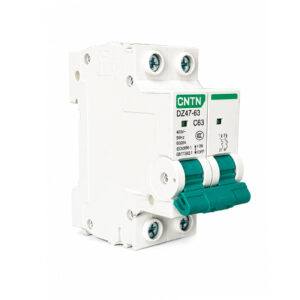
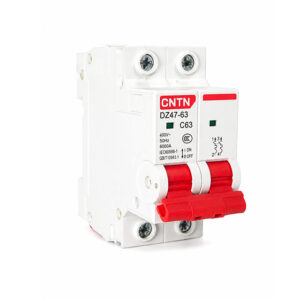
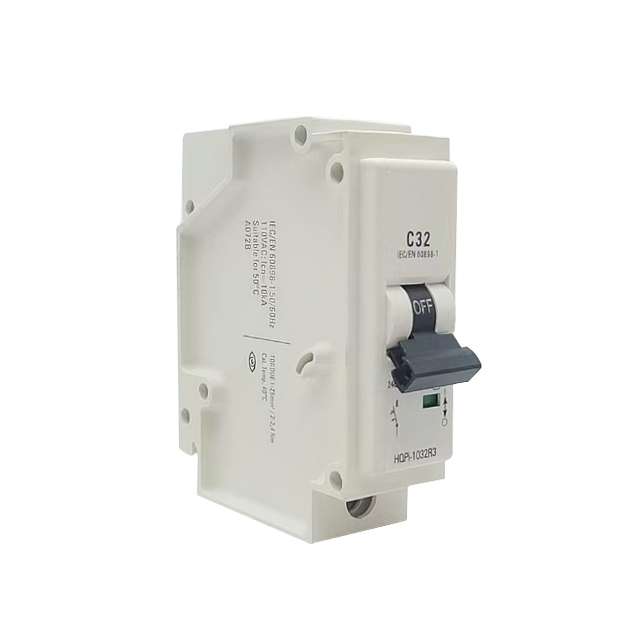
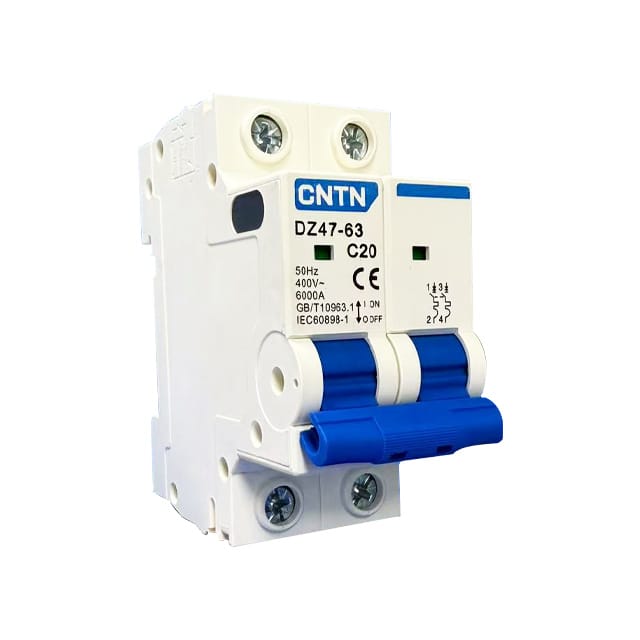
Disjoncteurs AC travail basé sur le principe que le flux de courant dans un courant alternatif est interrompu lorsque les conditions électriques deviennent anormales.
Les courants alternatifs inversent leur sens plusieurs fois par seconde en fonction des exigences de fréquence du système.
Ces courants ont des croisements nuls, ce qui permet d'interrompre facilement l'arc formé une fois le disjoncteur enclenché.
L'arc ne se produit que momentanément pendant que les contacts s'ouvrent dans l'interrupteur.
L'arc s'éteint automatiquement lorsque le courant s'arrête.
Les disjoncteurs à courant alternatif conviennent donc aux systèmes électriques résidentiels, commerciaux, d'éclairage et industriels.
Comment fonctionnent les disjoncteurs à courant continu ?
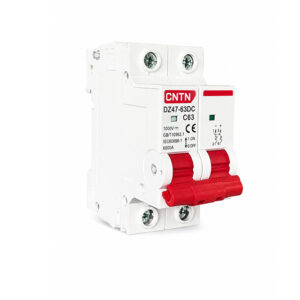
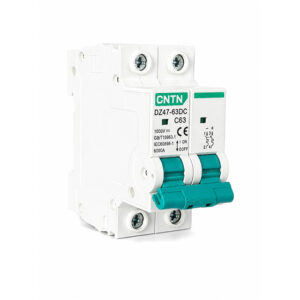
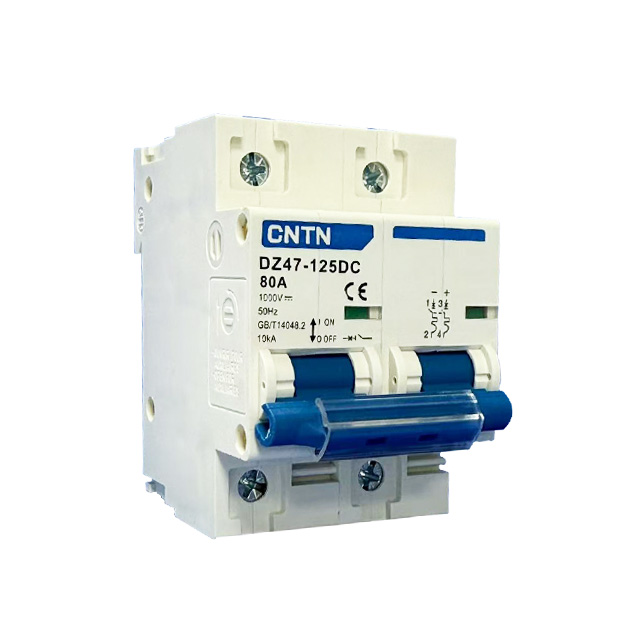
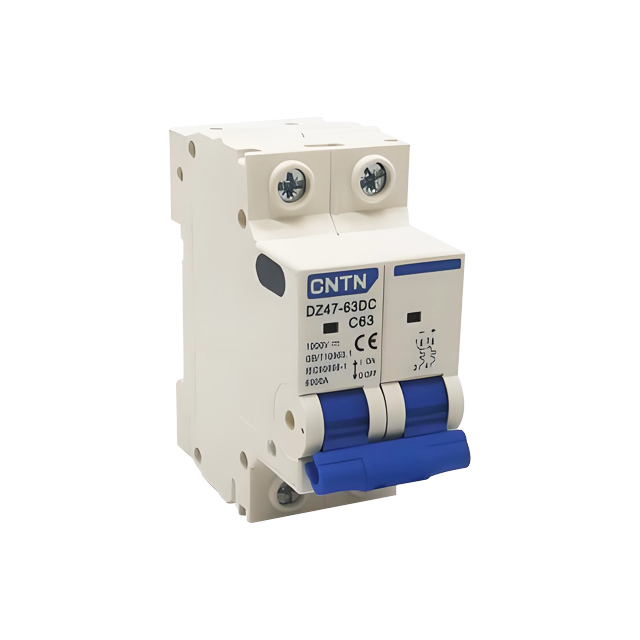
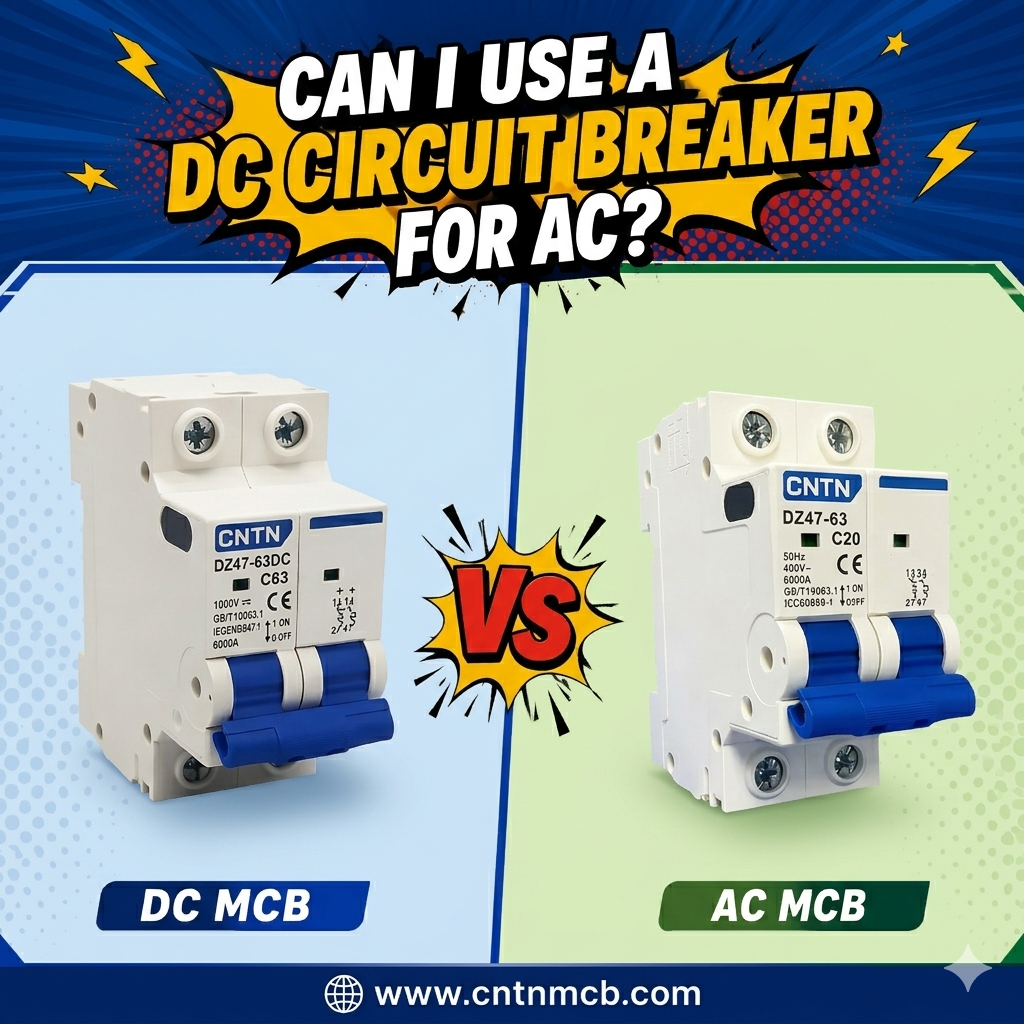
A Disjoncteur DC fonctionne sur le principe de l'interruption du flux de courant continu qui circule continuellement dans une direction sans aucune inversion périodique.
Contrairement aux disjoncteurs à courant alternatif, les courants continus n'ont pas de passage à zéro inhérent pendant leur période de fonctionnement, ce qui accroît la difficulté d'éteindre l'arc formé lors de la coupure du circuit.
Les disjoncteurs à courant continu utilisent l'extinction magnétique de l'arc, des espaces de contact plus larges et des chambres spécialisées pour une extinction sûre de l'arc.
Ils sont souvent utilisés pour protéger les installations solaires, les équipements alimentés par batterie, les voitures électriques et les distributeurs industriels de courant continu.
Les variations structurelles du dispositif améliorent la trempe de l'arc tout en maintenant un flux électrique et une tension constants.
Pourquoi les disjoncteurs à courant alternatif et à courant continu ne sont pas conçus de la même manière
Il existe une distinction majeure entre les disjoncteurs à courant alternatif et les disjoncteurs à courant continu, car il existe un plus grand nombre de techniques d'extinction de l'arc en fonction du type d'arc électrique et de son comportement en fonction des flux de courant et des tensions.
Un disjoncteur à courant alternatif s'appuie principalement sur les cycles naturels de passage à zéro pendant les processus d'extinction de l'arc en cas d'interruption.
Cependant, les disjoncteurs à courant continu utilisent beaucoup plus de techniques pour éteindre les arcs électriques qui se produisent plus fréquemment dans les courants continus.
La disposition des contacts internes sera différente, car les interruptions en courant continu impliquent de plus grandes distances entre les contacts et une meilleure suppression des forces magnétiques.
En outre, pour des raisons de sécurité technique, il existe des variations dans l'isolation, les systèmes de refroidissement et les capacités d'interruption.
Les dispositions mécaniques diffèrent également puisque la tension électrique se produit dans les systèmes à courant continu.
Principales différences techniques entre les disjoncteurs à courant alternatif et à courant continu
Le tableau suivant compare les principales différences de fonctionnement, de caractéristiques électriques, structurelles et thermiques entre les disjoncteurs à courant alternatif et à courant continu utilisés aujourd'hui pour la distribution et la protection de l'énergie.
| Facteur | Disjoncteur CA | Disjoncteur DC |
|---|---|---|
Type actuel |
Courant alternatif |
Courant continu |
Extinction des arcs électriques |
Interruption du passage à zéro |
Suppression de l'arc magnétique |
Traitement de la tension |
Diminution de la tension d'arc soutenue |
Tension d'arc soutenue plus élevée |
Exigences en matière de polarité |
Généralement non polarisé |
Souvent sensibles à la polarité |
Construction interne |
Espacement standard des contacts |
Séparation prolongée des contacts |
Applications courantes |
Maisons et bâtiments |
Systèmes solaires et de batteries |
Performances en matière de sécurité |
Fiable pour les systèmes à courant alternatif |
Fiable pour les systèmes à courant continu |
Complexité de l'installation |
Une installation plus simple |
Installation plus technique |
Un disjoncteur à courant continu peut-il fonctionner dans un système à courant alternatif ?
D'un point de vue technique, certains disjoncteurs à courant continu pourraient fonctionner dans certains circuits à courant alternatif pendant des périodes spécifiques et dans certaines conditions.
Néanmoins, la compatibilité dépendra en grande partie de l'approbation et des essais des fabricants, des tensions nominales, des capacités d'interruption et des spécifications officielles d'utilisation.
Certains disjoncteurs à courant continu ne sont pas testés pour l'interruption de l'arc électrique en courant alternatif dans les environnements domestiques ou commerciaux habituels.
Les circuits à courant alternatif peuvent présenter des risques en raison des interruptions dangereuses de l'arc électrique et du manque de fiabilité du déclenchement en cas de défaut.
En règle générale, il est suggéré que le disjoncteur soit utilisé dans le circuit électrique désigné au moyen de techniques d'étiquetage.
Des situations dangereuses peuvent survenir en raison d'une charge excessive sur les disjoncteurs et de l'interférence de la tension alternative.
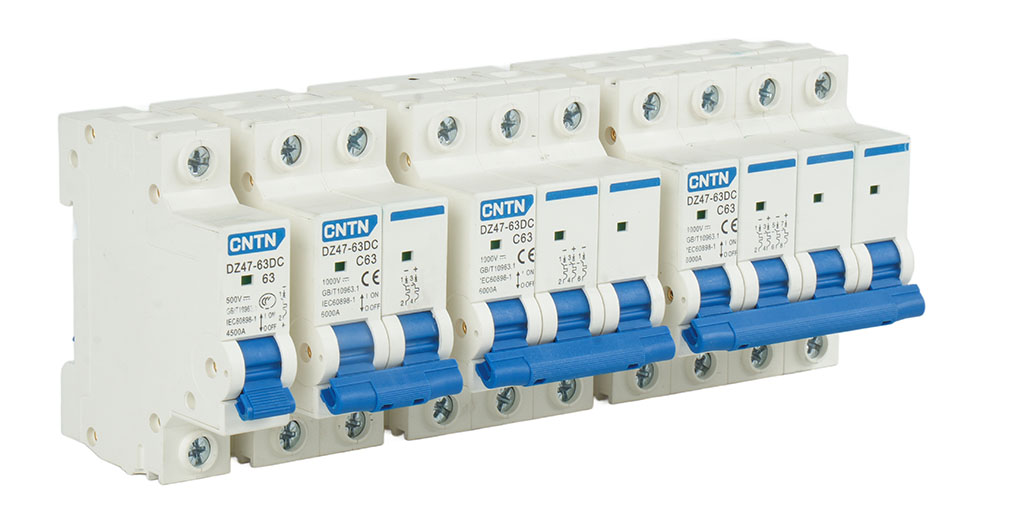
Risques importants avant d'utiliser un disjoncteur à courant continu pour le courant alternatif
Risque de rupture de l'arc électrique
Il peut être difficile pour les disjoncteurs à courant continu d'interrompre correctement l'arc électrique dans les circuits à courant alternatif dans des situations de fonctionnement défectueuses. Une mauvaise interruption de l'arc électrique peut entraîner des dommages au niveau des contacts, des problèmes de chauffage et une mauvaise efficacité du système de disjoncteurs.
Mauvaise performance de déclenchement
Le comportement des mécanismes de déclenchement des disjoncteurs à courant continu peut varier lorsqu'ils sont continuellement exposés aux caractéristiques de fréquence du courant alternatif en termes de fonctionnement dans un circuit.
En effet, leur comportement peut varier en fonction d'aspects tels que la durée des trajets et les trajets défectueux.
Problèmes de surchauffe
L'incompatibilité des disjoncteurs peut entraîner une augmentation de la résistance interne et une formation excessive de chaleur en cas d'activité électrique constante.
Les problèmes de surchauffe peuvent endommager l'isolation et poser d'autres problèmes de sécurité en cas d'utilisation prolongée.
Réduction de la fiabilité de la protection
La fiabilité de la protection serait grandement affectée si les disjoncteurs ne fonctionnaient pas conformément aux conditions requises pour l'utilisation de l'électricité, telles qu'elles sont définies par les fabricants.
Des problèmes électriques peuvent survenir en raison de l'équipement, du câblage et d'autres dispositifs impliqués.
Violations des règles de conformité et de sécurité
L'utilisation de disjoncteurs incompatibles peut être contraire aux normes d'installation électrique et aux lois de certification.
L'incompatibilité peut entraîner la non-conformité avec les réglementations, ce qui accroît les problèmes de responsabilité en cas d'accidents électriques ou de dysfonctionnements.
Situations dans lesquelles une application croisée peut être autorisée
Certains types de disjoncteurs à double tarification sont conçus et certifiés pour une utilisation sûre dans les systèmes électriques à courant alternatif et à courant continu.
Les disjoncteurs sont testés par les fabricants selon les normes de certification IEC ou UL dans un environnement électrique.
Cela dépend principalement de la tension approuvée, du pouvoir d'interruption, de l'installation et de la spécification de la fréquence.
Le double classement de l'application est généralement accompagné d'une étiquette technique qui l'indique.
Toutes les informations techniques concernant la certification, les tensions, la polarité et les autres spécifications doivent toujours être obtenues par l'utilisateur avant l'installation.
Il serait risqué d'installer un disjoncteur à deux calibres dont la compatibilité n'a pas été certifiée.
Erreurs d'installation courantes que les électriciens doivent éviter
- L'utilisation d'un disjoncteur 230V AC dans un système 48V, 120V ou 600V DC sans certification DC peut entraîner des défauts d'arc continus et le disjoncteur peut tomber en panne lors d'une interruption de court-circuit.
- Négliger les marques de polarité lors de l'utilisation de disjoncteurs DC pour les systèmes solaires, les batteries ou les circuits EV de plus de 60V DC peut entraîner un flux de courant inversé.
- Le risque d'endommagement de l'équipement augmente lorsque vous installez des disjoncteurs dont les capacités d'interruption sont inférieures aux niveaux de défaut requis. Par exemple, l'utilisation d'un disjoncteur de 6 kA dans des systèmes dont les capacités de courant de défaut dépassent 10 kA.
- Les disjoncteurs sous-dimensionnés, tels que les unités de 10 ou 16 A, peuvent entraîner des déclenchements intempestifs et des surchauffes. Une dégradation de l'isolation peut également se produire.
- Les performances thermiques des disjoncteurs peuvent être réduites s'ils sont montés dans des boîtiers dont la température ambiante dépasse 40 degrés Celsius et qui ne disposent pas d'un espace de circulation d'air d'au moins 50 mm.
Comment déterminer si un disjoncteur est compatible avec les applications en courant alternatif ?
L'utilisateur doit d'abord inspecter les marquages sur les disjoncteurs pour déterminer la tension nominale et la fréquence des disjoncteurs.
Le marquage technique doit contenir des informations telles que la tension nominale, le pouvoir de coupure, la certification standard et l'évaluation environnementale des disjoncteurs.
Les certifications CEI et UL attestent que les disjoncteurs ont été testés pour des applications en courant alternatif.
Les indices de fréquence tels que 50Hz et 60Hz peuvent indiquer que les disjoncteurs sont adaptés à une application en courant alternatif dans le réseau électrique.
Il est important que les utilisateurs se réfèrent aux fiches techniques fournies par
pour connaître les autres limitations, les considérations de polarité et l'adéquation à l'environnement.
La vérification est cruciale car le choix de disjoncteurs inadaptés peut entraîner une mauvaise protection et des problèmes de sécurité.
Scénarios d'installation dans le monde réel et compatibilité des disjoncteurs
Utilisation de disjoncteurs à courant continu dans les circuits résidentiels à courant alternatif
Les disjoncteurs à courant continu ne doivent normalement pas être utilisés pour protéger les distributions d'énergie domestique à courant alternatif, sauf si le fabricant autorise officiellement la compatibilité croisée.
La raison en est que la nature caractéristique du courant alternatif fait que les disjoncteurs à courant continu se comportent différemment pendant l'arc électrique.
Problèmes de compatibilité dans les systèmes électriques commerciaux
Dans le cas des bâtiments commerciaux, les dispositifs de protection doivent être certifiés car l'aspect de la sécurité est toujours important.
Cela risque d'entraîner une inefficacité dans l'isolation des défauts, le non-respect des exigences et une plus grande probabilité de défaillance de l'équipement.
Sélection des disjoncteurs pour les installations solaires hybrides
Les systèmes électriques hybrides comprennent à la fois des éléments à courant alternatif et à courant continu qui nécessitent des mesures de sécurité différentes pour fonctionner correctement.
Le choix des disjoncteurs dépend largement de la conception des onduleurs, de la polarité des courants et du comportement des charges.
Défis dans les environnements industriels à haute puissance
La coordination entre les disjoncteurs, des pouvoirs de coupure plus élevés et des techniques appropriées de suppression des arcs électriques est nécessaire pour assurer le bon fonctionnement des installations industrielles.
Une mauvaise adaptation des disjoncteurs peut entraîner des temps d'arrêt prolongés, endommager l'équipement industriel et poser des problèmes de sécurité.
Pourquoi le choix d'un disjoncteur correct a un impact direct sur la sécurité électrique
Le choix du bon disjoncteur élimine tout risque de charge, de surchauffe et d'arc électrique.
Le choix du bon disjoncteur permet de protéger le système de câblage, le tableau électrique, les moteurs, les appareils et les machines délicates contre les dommages graves.
Le bon fonctionnement du disjoncteur permet de minimiser les coûts de maintenance car le système électrique fonctionne dans des conditions de protection.
La prévention des incendies dans les systèmes électriques dépend en grande partie des disjoncteurs qui coupent le flux excessif d'électricité dans le système.
Il est également essentiel d'assurer la conformité avec les exigences réglementaires qui spécifient la nécessité de dispositifs de protection appropriés en fonction de l'installation et de l'environnement électrique.
Réflexions finales
Les disjoncteurs à courant alternatif et à courant continu sont conçus pour répondre à des exigences différentes en matière de sécurité et d'électricité.
Le bon disjoncteur certifié améliorera la fiabilité électrique, l'efficacité de la protection et la sécurité à long terme des systèmes résidentiels, commerciaux et industriels.
Si vous avez besoin de disjoncteurs CA et CC de haute qualité en provenance de Chine, vous pouvez visiter le site suivant CNTN Electric ou contactez leur équipe technique pour obtenir une assistance produit et des solutions de protection électrique personnalisées.

FAQS
Un disjoncteur à courant continu peut-il se déclencher correctement dans un circuit à courant alternatif ?
Bien que certains disjoncteurs à courant continu puissent se déclencher momentanément dans des circuits à courant alternatif, il est essentiel de disposer d'une compatibilité certifiée pour assurer une protection fiable.
Le choix d'un mauvais disjoncteur peut limiter l'efficacité de l'interruption et entraîner des conditions de fonctionnement électrique dangereuses en cas de défaillance.
Pourquoi les disjoncteurs à courant continu sont-ils généralement plus chers que les disjoncteurs à courant alternatif ?
Cependant, les disjoncteurs à courant continu exigent des capacités d'extinction d'arc plus sophistiquées, un espacement plus important entre les contacts et une conception interne supérieure.
Les considérations de sécurité supplémentaires s'ajoutent aux complexités de la fabrication, des essais et du coût de production.
Que se passe-t-il si le mauvais type de disjoncteur est installé ?
Une mauvaise installation des disjoncteurs peut affecter l'efficacité du système de protection, entraînant une surchauffe et de mauvaises performances en matière de sécurité électrique. Un dysfonctionnement dans l'interruption des défauts peut également endommager l'équipement, les fils et d'autres composants électriques.
Comment les utilisateurs peuvent-ils vérifier la compatibilité des disjoncteurs ?
Les utilisateurs doivent examiner les étiquettes techniques, les certificats, les tensions et les fiches techniques avant de procéder à l'installation.
Les certifications de la CEI et de l'UL peuvent aider à vérifier que l'environnement de fonctionnement et l'application électrique sont appropriés.
Les disjoncteurs AC/DC à double tarification sont-ils plus sûrs pour les systèmes mixtes ?
Les disjoncteurs à double classification assurent la sécurité car ils ont été testés par les fabricants pour le courant alternatif et le courant continu.
Cela permet d'obtenir une certification adéquate et de garantir qu'ils interrompent efficacement le courant, qu'ils fonctionnent dans des tensions sûres et qu'ils améliorent la sécurité électrique.