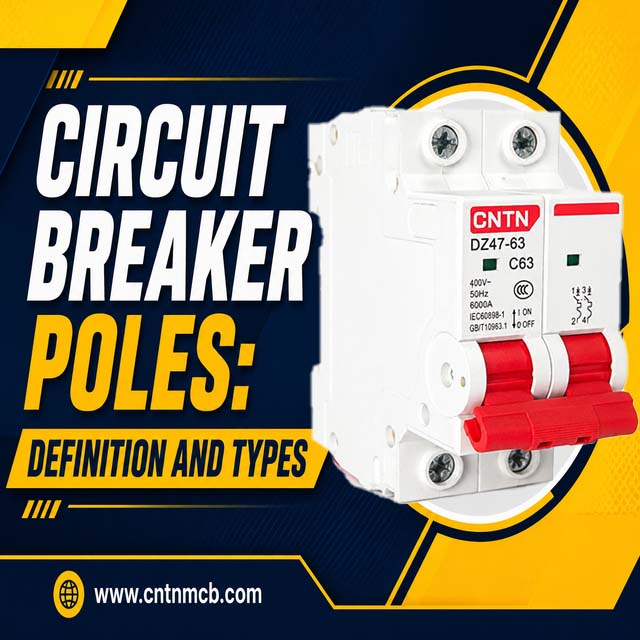
Le pôle d'un disjoncteur est un élément essentiel du réseau électrique moderne.
Le pôle du disjoncteur renforce la sécurité du système électrique en isolant les circuits défectueux, protégeant ainsi les machines contre les surcharges et les courts-circuits.
La configuration correcte des pôles est déterminée par le système électrique auquel le disjoncteur est destiné.
Le choix d'un pôle adapté au disjoncteur garantira le bon fonctionnement de l'équipement et améliorera l'efficacité des systèmes électriques.
Dans ce guide, nous vous expliquerons ce que sont les pôles de disjoncteurs, comment ils fonctionnent, les différents types de pôles, leurs utilisations et les meilleurs critères pour choisir les pôles.
Cependant, nous aborderons également les différents facteurs à prendre en compte, ainsi que les erreurs que l'on peut commettre lors de l'achat de disjoncteurs.
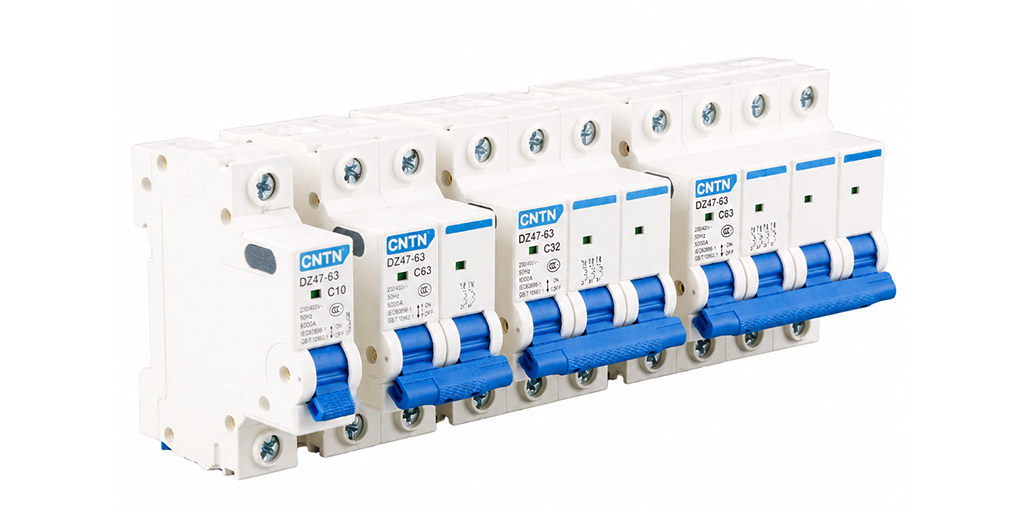
Pourquoi le choix du pôle d'un disjoncteur est-il important ?
Le choix d'un pôle adapté au disjoncteur est d'une importance capitale pour la sécurité et l'efficacité d'une installation électrique.
L'utilisation de poteaux adaptés permet d'assurer une isolation correcte du circuit en cas de surcharge ou de court-circuit, ainsi que de protéger les appareils électriques installés.
Un choix judicieux permettra de réduire les défauts électriques et facilitera la mise en conformité avec les normes électriques.
Qu'est-ce qu'un pôle de disjoncteur ?
Les pôles d'un disjoncteur désignent le circuit électrique chargé de la transmission et de la coupure du courant électrique, tant en conditions normales qu'en cas de défaut électrique.
Chaque pôle a pour fonction de protéger un conducteur du circuit. En cas de défaut électrique, les pôles coupent le courant.
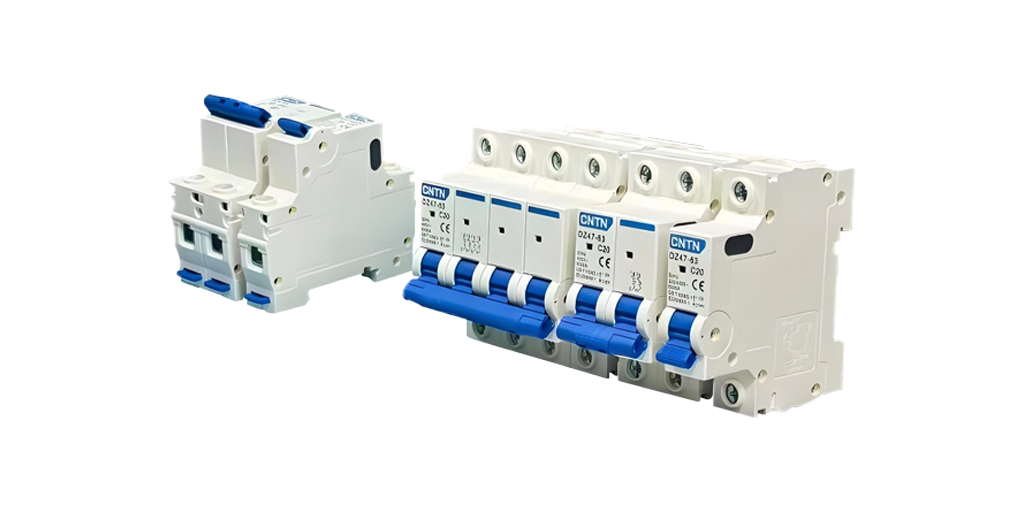
Comment fonctionne le pôle d'un disjoncteur ?
Le fonctionnement d'un disjoncteur repose sur la surveillance constante du courant qui circule dans le circuit. S'il détecte une surcharge ou un court-circuit, il coupe automatiquement le courant.
Cela s'explique en seulement trois étapes :
Étape 1 : Détecter un défaut électrique
Le disjoncteur surveille en permanence le courant dans le circuit.
En cas de surcharge ou de court-circuit dans le circuit, le dispositif de protection détecte l'anomalie et se prépare à couper le courant.
Étape 2 : Déclencher le mécanisme interne
Dès la détection d'un défaut, le disjoncteur déclenche immédiatement le processus de déclenchement à l'intérieur de l'appareil.
Cela permet de séparer les contacts électriques et d'empêcher le courant de circuler davantage.
Étape 3 : Isoler le circuit
Une fois les contacts fermés, le disjoncteur coupe le circuit défectueux de la source d'alimentation.
Cela permet de protéger les machines et d'améliorer la sécurité des utilisateurs.
Types de pôles de disjoncteurs
Il existe de nombreux types de pôles pour les disjoncteurs, destinés à protéger différents types de réseaux électriques.
Ils ont tous été conçus pour différentes tensions nominales et différentes phases.
1 : Unipolaire (SP)
Les disjoncteurs unipolaires sont ceux qui protègent un seul conducteur sous tension dans un réseau électrique monophasé.
Ils sont fréquemment utilisés dans les circuits d'éclairage résidentiels, les prises de courant et les petits appareils électriques.
2 : Bipolaire (DP)
Un disjoncteur bipolaire coupe immédiatement le circuit de phase et le circuit neutre.
Ce type de disjoncteur est principalement utilisé dans les gros appareils monophasés, tels que les chauffe-eau et les climatiseurs, entre autres.
3 : Triple pôle (TP)
Le disjoncteur tripolaire est conçu pour protéger les trois conducteurs sous tension d'un circuit électrique triphasé.
Il est couramment utilisé pour assurer la protection des moteurs et des machines industriels.
4 : Triphasé avec neutre (TPN)
Les disjoncteurs TP à trois voies assurent la protection de trois fils sous tension tout en isolant le fil neutre.
Ils sont principalement utilisés dans les bâtiments commerciaux et les réseaux triphasés.
5 : Quatre pôles (4P)
Le disjoncteur tétrapolaire coupe simultanément les trois phases et le neutre.
Il offre une isolation totale et est largement utilisé dans le domaine électrique en milieu industriel.
Comparaison des types de pôles des disjoncteurs
Le tableau ci-dessous compare les configurations de pôles les plus courantes des disjoncteurs et leurs applications typiques.
| Type de mât | Conducteurs protégés | Application type | Principal avantage |
|---|---|---|---|
SP |
Un chef d'orchestre en direct |
Circuits résidentiels |
Une protection simple |
DP |
Phase et neutre |
Équipements monophasés |
Isolement total |
TP |
Trois chefs d'orchestre en direct |
Moteurs triphasés |
Une protection équilibrée |
TPN |
Triphasé + neutre |
Distribution commerciale |
Commutation neutre |
4P |
Triphasé + neutre |
Systèmes industriels |
Isolation complète du circuit |
Cas d'utilisation de disjoncteurs à pôles différents
Les disjoncteurs unipolaires et bipolaires sont couramment utilisés dans les maisons individuelles.
Ils protègent les luminaires, les prises murales, les appareils électroménagers, les climatiseurs et les autres appareils électriques domestiques.
Immeubles d'habitation
Les logements utilisent des disjoncteurs unipolaires et bipolaires pour protéger les circuits d'éclairage, les prises de courant, les appareils de cuisson, les systèmes de climatisation et les autres appareils électriques présents dans la maison.
Ils offrent une protection efficace contre les surcharges et les courts-circuits, tout en garantissant une utilisation en toute sécurité.
Bâtiments commerciaux
Dans les bâtiments commerciaux, on utilise le plus souvent des disjoncteurs de type DP, TP et TPN.
Ces disjoncteurs assurent la protection des installations d'éclairage, des équipements de bureau, des systèmes de chauffage, de ventilation et de climatisation, des ascenseurs et des tableaux de distribution électrique.

Fabrication industrielle
Afin d'assurer la protection des engins lourds, des moteurs industriels, des équipements de production et des grands réseaux de distribution électrique dans les usines de fabrication, il est nécessaire d'utiliser des disjoncteurs tripolaires et tétrapolaires.
Ils offrent une protection fiable contre les surcharges et les courts-circuits.
Systèmes d'énergie solaire
Dans les centrales solaires, on utilise différentes combinaisons de pôles pour les disjoncteurs, en fonction de la conception des onduleurs, du réseau de distribution en courant alternatif et des tensions. Le choix approprié du nombre de pôles garantit la sécurité de l'alimentation électrique et la fiabilité du fonctionnement des installations photovoltaïques.

Tableaux de commande de moteurs
Les tableaux de commande des moteurs sont généralement équipés de disjoncteurs tripolaires destinés à protéger les moteurs triphasés, les pompes, les compresseurs et les équipements de commande.
Ces disjoncteurs garantissent un équilibre entre la protection des circuits et renforcent la fiabilité des équipements.
Comment choisir le bon pôle de disjoncteur
Le choix du pôle approprié du disjoncteur rend l'installation plus sûre, plus efficace et plus fiable.
Voici les consignes à respecter lors du choix d'un pôle de disjoncteur.
Étape 1 : Identifier le système électrique
Commencez par déterminer le type d'installation électrique dont vous disposez : monophasée, biphasée ou triphasée.
Chaque type d'installation électrique comporte des disjoncteurs à un nombre de pôles différent.
En choisissant le bon pôle, vous vous assurez de pouvoir isoler le circuit en toute sécurité.
Étape 2 : Vérifier la tension d'alimentation
Avant de choisir un disjoncteur, veillez à déterminer la tension du réseau électrique.
La tension du disjoncteur doit toujours être égale ou supérieure à celle de l'installation électrique.
C'est pour des raisons de sécurité ; veillez donc toujours à utiliser la tension appropriée.
Étape 3 : Déterminer les exigences en matière de charge
Déterminez l'intensité de courant absorbée par l'appareil raccordé avant de choisir un disjoncteur.
Le disjoncteur doit être capable de supporter les courants de fonctionnement et d'assurer une protection contre les surcharges et les courts-circuits.
Lors du choix, il convient de tenir compte à la fois des besoins actuels et de l'augmentation future de la charge.
Étape 4 : Vérifier les exigences relatives au point mort
Déterminez s'il est nécessaire de commuter le conducteur neutre lors de la commutation des conducteurs sous tension dans l'installation électrique.
Les installations triphasées nécessitent généralement l'utilisation de disjoncteurs TPN ou à quatre pôles pour garantir une isolation totale.
Cela permet de s'assurer que la configuration des pôles choisie est la bonne.
Étape 5 : Vérification de l'environnement d'installation
Procéder à une évaluation de l'environnement dans lequel le disjoncteur sera utilisé.
Des facteurs tels que les températures élevées, une forte humidité, la saleté, les vibrations et la corrosion peuvent avoir une incidence sur le fonctionnement et la durée de vie du disjoncteur.
Choisissez un disjoncteur adapté à l'environnement dans lequel il sera utilisé afin de garantir une plus grande durée de vie.
Étape 6 : Vérifier les normes de protection
Veillez à choisir des disjoncteurs conformes aux normes internationales reconnues, telles que les normes CEI.
Ces appareils ont fait l'objet d'essais de sécurité, de performance et de fiabilité dans le respect de certaines conditions d'exploitation.
Assurez-vous que le disjoncteur est conforme aux normes électriques en vigueur dans votre région.
Étape 7 : Choisissez un fabricant de confiance
Achetez vos disjoncteurs auprès de fabricants réputés, connus pour la qualité de leurs produits et pour leur expertise technique.
Les fournisseurs réputés seront en mesure de vous proposer des produits certifiés, des processus de fabrication de haute qualité et un excellent service après-vente.
Ils fourniront également les caractéristiques techniques et la garantie de leurs produits.
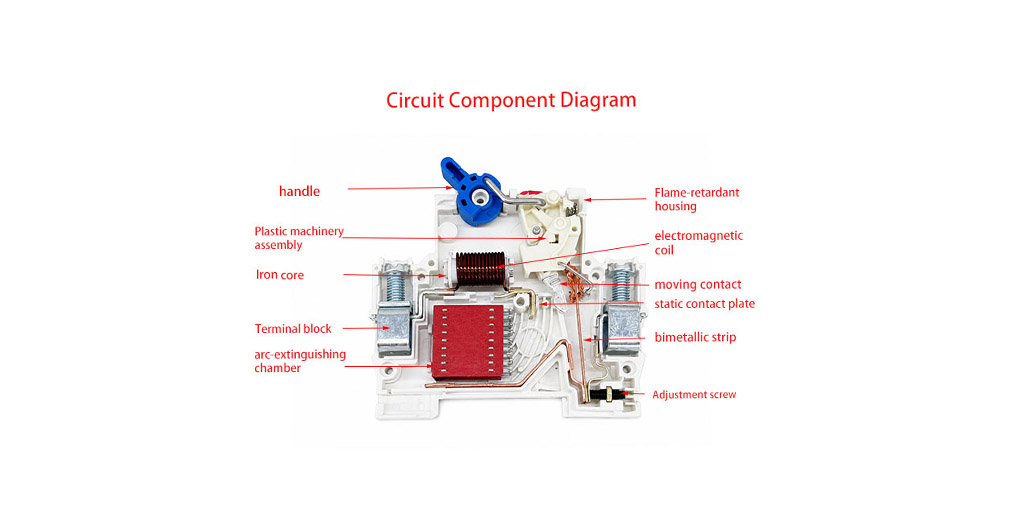
Erreurs courantes lors du choix du nombre de pôles d'un disjoncteur
Un mauvais choix de disjoncteurs réduit l'efficacité de la protection et augmente les coûts de maintenance. Une bonne planification contribue grandement à renforcer la sécurité et la fiabilité des installations électriques.
- Un mauvais choix de configuration des pôles garantira que les conducteurs ne seront pas protégés en cas de défaut, quel qu'il soit.
- Le non-respect de la neutralité entraînera une mise hors tension incorrecte des circuits et, par conséquent, augmentera les risques pour la protection des équipements.
- Un mauvais choix des intensités nominales entraînera des déclenchements intempestifs ou une protection contre les surcharges des équipements électriques.
- On néglige généralement les extensions futures du système, ce qui entraîne des modifications du tableau électrique.
- L'absence de certification des disjoncteurs rendra sans aucun doute votre installation dangereuse.
Liste de contrôle technique avant l'achat de pôles pour disjoncteurs
Vérifier les caractéristiques techniques avant l'achat permet de s'assurer que tout sera compatible, sûr et efficace. C'est encore plus simple si vous disposez d'une liste de contrôle.
| Spécifications | Pourquoi est-ce important ? | Méthode de vérification |
|---|---|---|
Configuration des poteaux |
Compatible avec le système électrique |
Vérification de la conception du circuit |
Courant nominal |
Protège la charge raccordée |
Vérifier le calcul de la charge |
Tension nominale |
Garantit la compatibilité |
Comparer la tension du système |
Capacité de rupture |
Interrompt le courant de défaut |
Consulter les caractéristiques techniques |
Fréquence |
Assure le fonctionnement du système |
Vérifier l'alimentation électrique |
Certification CEI |
Démontre la conformité |
Vérification de la certification |
Type de fixation |
Compatible avec le panneau de montage |
Valider la conception du panneau |
Pôle du disjoncteur et nombre de phases
Le nombre de pôles du disjoncteur doit être adapté au système électrique afin d'assurer une isolation sûre et une protection fiable.
| Système électrique | Mât recommandé | Formulaire de candidature commun | Avantages pour l'acheteur |
|---|---|---|---|
Monophasé |
SP |
Circuits d'éclairage |
Coût moindre |
Phase divisée |
DP |
Appareils électroménagers |
Une meilleure protection |
Triphasé |
TP |
Moteurs industriels |
Fonctionnement équilibré |
Triphasé + neutre |
TPN |
Panneaux commerciaux |
Isolation neutre |
Distribution industrielle |
4P |
Distribution principale |
Une protection totale |
Bonnes pratiques pour l'installation des poteaux de disjoncteurs
Une installation correcte améliore les performances des disjoncteurs et prolonge la durée de vie de l'équipement.
Veillez à respecter le schéma de câblage et assurez-vous que tous les raccordements sont correctement fixés en respectant les valeurs de couple indiquées.
Répartissez la charge électrique de manière uniforme sur toutes les phases dans la mesure du possible.
Assurez-vous que le raccordement des conducteurs neutres a bien été effectué avant de mettre sous tension les installations triphasées.
Effectuer un contrôle de sécurité comprenant un test de continuité, un test d'isolation et des essais mécaniques.
Le respect des instructions du fabricant et des spécifications électriques garantira une installation sûre et fiable.
Réflexions finales
Les pôles des disjoncteurs jouent un rôle essentiel dans la prévention des surcharges et des courts-circuits au sein des réseaux électriques, ainsi que dans la garantie de la sécurité des disjoncteurs.
Le choix d'un modèle de poteau adapté serait sans aucun doute avantageux pour garantir le fonctionnement efficace et performant du réseau électrique, ainsi que le respect de la réglementation électrique.
Les clients qui tiendraient compte de tous ces éléments en tireraient certainement un grand bénéfice.
Choisissez des disjoncteurs miniatures de qualité, adaptés à vos besoins et conformes aux normes de sécurité en vigueur, pour bénéficier d'une protection efficace et fiable à long terme.
Prenez contact avec CNTN Electric pour obtenir de l'aide concernant le choix, l'installation,

FAQ
Qu'est-ce qu'un pôle de disjoncteur ?
Un pôle de disjoncteur est défini comme un circuit de commutation dans les câbles électriques qui permet de protéger un conducteur contre les courants électriques en cas de surcharge ou de court-circuit.
Pourquoi existe-t-il différents types de poteaux ?
Il existe différents types de circuits qui présentent des exigences différentes en matière de protection. Les structures des poteaux sont conçues pour les réseaux électriques monophasés, biphasés et triphasés.
Quelle est la différence entre les disjoncteurs SP et DP ?
Un disjoncteur unipolaire isole un seul conducteur sous tension, tandis qu'un disjoncteur bipolaire coupe simultanément les deux conducteurs sous tension ainsi que les conducteurs neutres.
Dans quels cas faut-il utiliser un disjoncteur TPN ?
Cependant, dans un réseau triphasé, l'isolation du neutre améliore la sécurité et le facteur de maintenance ; c'est pourquoi les disjoncteurs TPN sont couramment utilisés dans ce type de réseaux.
Qu'est-ce qu'un disjoncteur à quatre pôles protège ?
Le disjoncteur à quatre pôles coupera l'alimentation des trois phases et du conducteur neutre.
Comment choisir le bon pôle de disjoncteur ?
Il est important, pour votre installation électrique, d'identifier et de déterminer les besoins en charge, de vérifier la tension et les exigences relatives au neutre, et de choisir des produits certifiés par des fabricants réputés.
Pourquoi la certification CEI est-elle importante pour les disjoncteurs ?
La certification IEC atteste que le disjoncteur est conforme aux normes internationales en matière de performances et de sécurité des composants électriques.
Quelles erreurs les acheteurs doivent-ils éviter lors du choix des poteaux pour disjoncteurs ?
Ne choisissez pas une mauvaise configuration des pôles, ne négligez pas le fil neutre, n'utilisez pas des intensités nominales inadaptées, n'achetez pas de composants non certifiés et ne négligez pas vos futurs besoins en capacité.