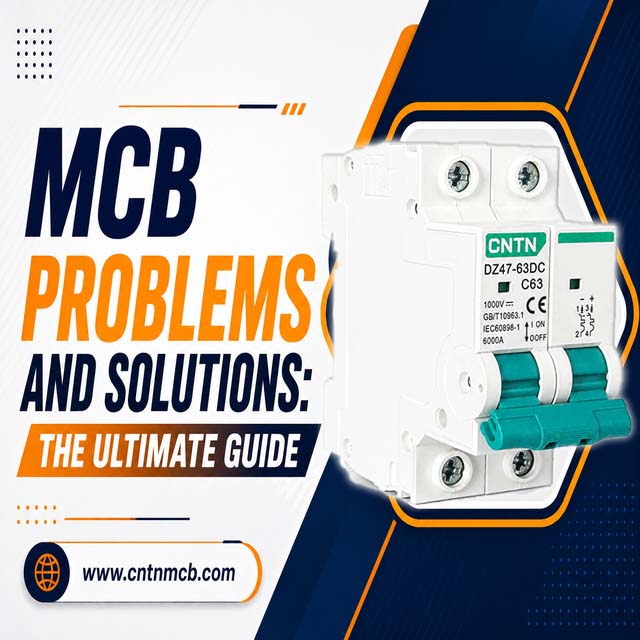
Disjuntores miniatura (MCBs) são componentes essenciais para a segurança nos sistemas elétricos atuais.
Os disjuntores são utilizados para proteger os circuitos elétricos contra sobrecorrentes e curtos-circuitos, interrompendo o fornecimento de corrente. Os disjuntores automáticos (MCBs) podem evitar danos aos equipamentos elétricos, incêndios elétricos e quedas repentinas de energia.
É essencial detectar problemas nos disjuntores miniatura (MCBs) o mais cedo possível, a fim de garantir que a segurança elétrica e a distribuição de energia sejam mantidas. Em caso de problemas nos MCBs, as atividades diárias podem ser prejudicadas.
Neste guia, apresentamos uma explicação sobre o funcionamento do disjuntor miniatura (MCB), problemas comuns que podem surgir, sinais típicos de que pode haver um problema, formas de solucionar problemas, soluções, manutenção e orientações sobre como selecionar disjuntores miniatura de reposição quando necessário.
Visão geral rápida dos problemas mais comuns com disjuntores (MCB)
A tabela abaixo apresenta um breve resumo dos problemas mais comuns relacionados aos disjuntores miniatura (MCBs), as possíveis causas por trás desses problemas e as soluções sugeridas para resolvê-los.
| Problema com o disjuntor | Possível causa | Solução recomendada |
|---|---|---|
Tropeços frequentes |
Sobrecarga ou curto-circuito |
Reduzir a carga e inspecionar a fiação |
O disjuntor não reinicia |
Falha interna |
Identifique a falha ou substitua o disjuntor |
Viagens após a reinicialização |
Curto-circuito ativo |
Desconecte os aparelhos e teste novamente |
Superaquecimento do disjuntor |
Conexões soltas |
Aperte os terminais e reduza a carga |
Cheiro de queimado |
Contatos danificados |
Substitua o disjuntor imediatamente |
Zumbido |
Componentes soltos |
Inspecione e substitua, se necessário |
Terminais soltos |
Instalação inadequada |
Aperte as conexões corretamente |
Avaliação incorreta |
Seleção incorreta do disjuntor |
Instale um disjuntor com a classificação correta |
O que é um MCB?
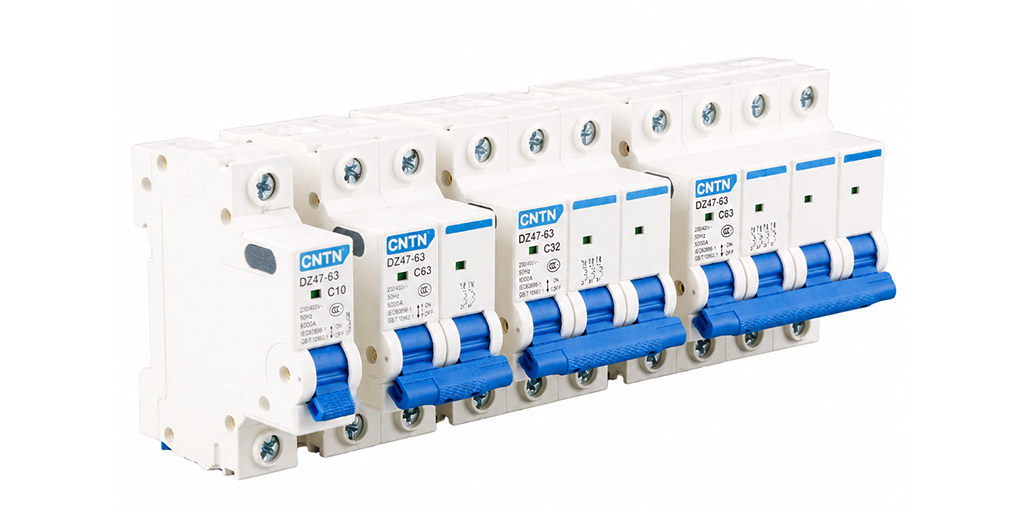
Disjuntor miniatura é um sistema de proteção automática em circuitos elétricos que desliga automaticamente a energia elétrica em caso de passagem de corrente anormal por um circuito.
Esses dispositivos protegem os sistemas de fiação, máquinas e aparelhos contra danos causados por condições anormais.
Os disjuntores automáticos (MCBs) são comumente utilizados em quadros de distribuição de residências, indústrias e escritórios.
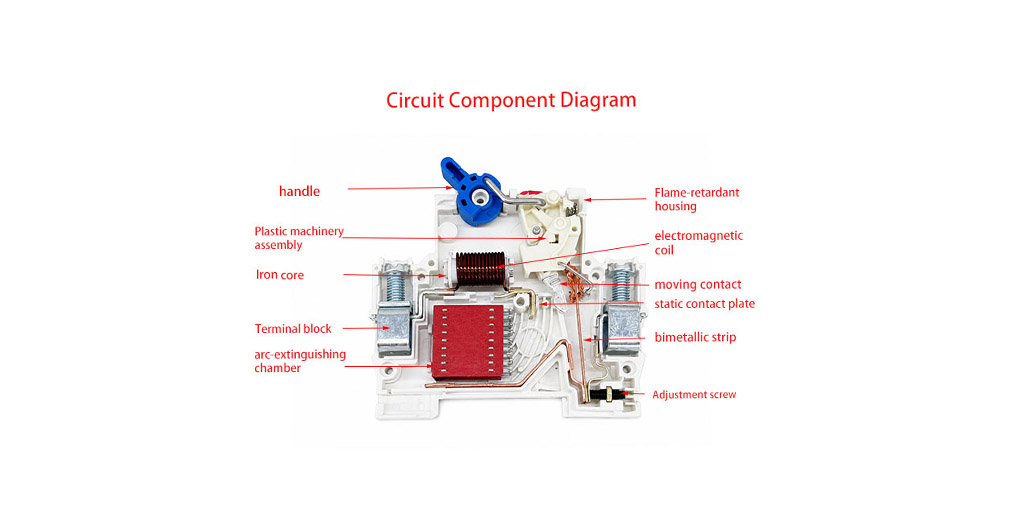
Como funciona um disjuntor?
Em circunstâncias normais, a corrente elétrica passa pelo disjuntor de corrente mínima (MCB) continuamente.
O disjuntor monopolar (MCB) verifica constantemente a corrente elétrica que circula pelo circuito.
Em caso de sobrecarga, o dispositivo de desligamento térmico aquece uma tira de bimetal, fazendo com que o circuito seja interrompido.
Em caso de curto-circuito, o dispositivo de desligamento magnético é acionado instantaneamente.
Por que ocorrem problemas com os disjuntores?
As causas de mau funcionamento dos disjuntores automáticos (MCBs) incluem sobrecargas elétricas, curtos-circuitos, fiação danificada, peças desgastadas ou erros de instalação. Calor excessivo, umidade, poeira e manutenção inadequada também podem causar esses problemas.
O acionamento repetitivo pode causar desgaste nas peças internas ao longo do tempo. O uso de disjuntores de corrente nominal inadequada ou a aplicação de carga elétrica excessiva podem causar falhas.
Sinais comuns de um disjuntor de corrente residual (MCB) com defeito
Existem vários sintomas a serem observados que podem indicar que um disjuntor precisa ser verificado ou substituído.
Um deles é o desarmamento frequente, ainda mais se a carga estiver em boas condições.
Outros sintomas incluem um disjuntor que não dispara, calor excessivo, cheiro de queimado, zumbido, luzes piscando ou danos na região do disjuntor.
8 Problemas comuns com disjuntores e suas soluções
Falhas no disjuntor miniatura (MCB) podem causar riscos elétricos e afetar o fluxo de corrente de maneira imprevisível.
Conhecer essas falhas ajudará a evitar avarias nos equipamentos e a aumentar a confiabilidade dos sistemas. A seguir, apresentamos algumas falhas comuns em disjuntores miniatura (MCB).
1. O disjuntor está desarmando com frequência
Visão geral do problema
O disparo de um disjuntor automático (MCB) significa a interrupção do fornecimento de energia elétrica e indica a presença de um problema elétrico.
Causas comuns
As causas mais comuns incluem circuitos sobrecarregados, aparelhos com defeito, fiação danificada, curtos-circuitos ou disjuntores com classificação de corrente inadequada.
Solução recomendada
Desconecte todos os aparelhos elétricos desnecessários e identifique o circuito sobrecarregado. Verifique cada aparelho separadamente e procure por possíveis falhas na fiação.
Se, após ter reduzido a carga, o problema persistir, substitua a fiação com defeito ou utilize o disjuntor (MCB) correto.
Dica de prevenção
Evite a sobrecarga do circuito e distribua as cargas elétricas igualmente entre os diversos disjuntores.
2. O disjuntor não reinicia
Visão geral do problema
Às vezes, mesmo depois que a falha é corrigida, um disjuntor permanece na posição DESLIGADO.
Causas comuns
Às vezes, falhas mecânicas internas, curto-circuito, fios danificados ou problemas com os aparelhos conectados podem impedir que o disjuntor retorne à posição normal.
Solução recomendada
Desconecte todos os aparelhos conectados ao circuito antes de prosseguir. Verifique se há fiação danificada e equipamentos com defeito no circuito.
Caso o disjuntor não retorne à posição normal, substitua-o imediatamente.
Dica de prevenção
A inspeção regular das instalações elétricas pode evitar falhas nos disjuntores.
3. O disjuntor dispara imediatamente após a reinicialização
Visão geral do problema
O fato de o disjuntor (MCB) reiniciar-se imediatamente após disparar é um sinal de falha elétrica no circuito.
Causas comuns
O problema pode ser causado por curtos-circuitos, isolamento danificado, dispositivos com defeito, conexões elétricas incorretas ou problemas de aterramento.
Solução recomendada
Desconecte todos os aparelhos elétricos que estejam conectados ao circuito com defeito e ligue o disjuntor novamente.
Dessa forma, você poderá identificar qual dispositivo está causando o problema.
Dica de prevenção
Sempre verifique seus aparelhos e conserte quaisquer fios danificados antes de conectá-los à tomada.
4. O disjuntor entra em ação
Visão geral do problema
É normal que o disjuntor (MCB) fique quente durante o funcionamento, mas o superaquecimento geralmente indica um problema no sistema elétrico.
Causas comuns
As causas do superaquecimento incluem terminais soltos, sobrecarga, conexões elétricas defeituosas, fiação de seção insuficiente ou peças internas desgastadas.
Solução recomendada
Desligue a fonte de alimentação antes de verificar as conexões dos terminais.
Aperte todos os cabos soltos, reduza ao mínimo a carga elétrica e conserte qualquer fiação com defeito.
Caso o superaquecimento persista, instale um disjuntor de corrente residual (MCB) novo e certificado, com as especificações adequadas.
Dica de prevenção
É necessário realizar a manutenção e o aperto das conexões dos terminais durante a inspeção elétrica.
5. Cheiro de queimado vindo do disjuntor
Visão geral do problema
Um cheiro de queimado proveniente do disjuntor é um indício de problema. Isso geralmente significa que há superaquecimento e danos ao disjuntor.
Causas comuns
O cheiro de queimado pode ser causado por conexões soltas, sobrecarga nos circuitos, contatos queimados, danos no isolamento, umidade ou componentes elétricos desgastados.
Solução recomendada
Desligue a alimentação elétrica e verifique o disjuntor.
Troque o disjuntor caso seja observado algum sinal de queima ou derretimento.
Não utilize um disjuntor queimado, pois isso representa grandes riscos elétricos.
Dica de prevenção
Verifique os painéis elétricos periodicamente e substitua quaisquer disjuntores danificados para evitar o superaquecimento, que pode causar danos adicionais.
6. Ruído de zumbido ou chiado
Visão geral do problema
A presença de um zumbido ou ruído no disjuntor (MCB) indica que há uma conexão elétrica inadequada ou um problema mecânico interno.
Causas comuns
É possível que o ruído seja causado por conexões soltas, sobrecarga nos circuitos, peças internas desgastadas, vibrações ou até mesmo por uma instalação inadequada.
Solução recomendada
Desligue a energia primeiro e, em seguida, verifique todos os terminais. Aperte os fios soltos e verifique se há algum dano no disjuntor.
Se o problema persistir mesmo após corrigir as conexões, troque o disjuntor.
Dica de prevenção
Instale disjuntores de alta qualidade e aperte todas as conexões elétricas de acordo com as instruções dos fabricantes.
7. Conexões soltas nos terminais
Visão geral do problema
Terminais soltos reduzem a eficiência elétrica e geram mais calor. Além disso, podem causar disparos constantes e danos às máquinas.
Causas comuns
As conexões frouxas nos terminais podem ser causadas por instalação inadequada, vibrações, superaquecimento, falta de manutenção e torque inadequado nos terminais.
Solução recomendada
Desconecte a fonte de alimentação antes de verificar todos os terminais.
Use as ferramentas adequadas para apertar as conexões soltas e troque os terminais, se necessário.
Verifique se há algum aquecimento nos fios próximos aos terminais.
Dica de prevenção
É possível realizar manutenção de rotina nos terminais para garantir a segurança e a eficiência do sistema elétrico.
8. Classificação incorreta do disjuntor (MCB)
Visão geral do problema
A escolha de uma classificação incorreta do disjuntor miniatura (MCB) reduz a segurança do circuito e aumenta a probabilidade de ocorrência de falhas.
Causas comuns
Esse problema surge devido a cálculos imprecisos de carga, escolha inadequada de produtos, melhorias elétricas ou instalação de um disjuntor de substituição incorreto.
Solução recomendada
É necessário calcular a carga no circuito antes de substituir o disjuntor antigo pelo novo.
Deve ter a mesma intensidade nominal, capacidade de interrupção, número de pólos e característica de disparo exigidos pelo circuito.
Dica de prevenção
Sempre siga as práticas e diretrizes de segurança elétrica ao escolher um novo disjuntor (MCB).
Guia passo a passo para solução de problemas com disjuntores (MCB)
Qualquer trabalho de diagnóstico de falhas elétricas deve começar levando em conta as questões de segurança. Nunca teste um circuito energizado se não souber como fazê-lo.
- Certifique-se de que o sistema elétrico esteja desconectado da rede elétrica antes de iniciar o trabalho.
- Certifique-se de verificar se o disjuntor está com algum sinal de dano.
- Desconecte qualquer outro equipamento conectado ao circuito elétrico.
- A fiação deve ser verificada quanto a qualquer sinal de dano.
- Reinicie o disjuntor assim que o possível problema for desligado.
- Comece a restabelecer a carga elétrica no sistema.
- Considere substituir o disjuntor se os problemas persistirem.
Erros comuns ao resolver problemas de múltipla escolha
Muitos problemas elétricos se agravam porque as pessoas ignoram os sinais de alerta que os precedem ou realizam reparos arriscados.
Ignorar disparos frequentes, utilizar valores nominais incorretos para os disjuntores automáticos (MCBs), reiniciar constantemente o disjuntor com defeito, não reparar fios soltos e realizar reparos elétricos por conta própria sem o conhecimento adequado representam riscos significativos à segurança.
Sempre que houver falhas difíceis de diagnosticar, deve-se realizar uma inspeção especializada.
Como evitar problemas comuns com disjuntores?
A melhor solução para reduzir as falhas nos disjuntores automáticos (MCB) seria a manutenção preventiva.
As inspeções permitem detectar fios soltos, superaquecimento e peças com defeito antes que causem problemas.
Distribua as cargas elétricas entre os diversos circuitos e não sobrecarregue nenhum disjuntor conectando muitos aparelhos a ele.
Instale disjuntores de corrente residual (MCBs) aprovados e mantenha seu quadro elétrico limpo. Agende inspeções regulares com eletricistas profissionais.
Quando é preciso substituir um disjuntor?
É recomendável substituir um disjuntor automático (MCB) quando houver disparos frequentes sem motivo aparente, impossibilidade de reinicialização, superaquecimento ou qualquer tipo de dano.
Outros sinais de que o MCB precisa ser trocado incluem áreas queimadas, plástico derretido e emissão de ruído.
Um disjuntor antigo com peças desgastadas pode não oferecer proteção adequada.
Reparo ou substituição do disjuntor (MCB)
Às vezes, um simples conserto resolve o problema, mas danos graves geralmente exigem a substituição completa.
A comparação a seguir ajuda a determinar a melhor opção.
| Fator | Reparo | Substituição |
|---|---|---|
Custo |
Reduzir para problemas menores |
Custo inicial mais elevado |
Segurança |
Depende do dano |
Máximo nível de segurança |
Confiabilidade |
Pode variar |
Desempenho consistente |
Expectativa de vida |
Melhoria limitada |
Vida útil total |
Opção recomendada |
Pequenos problemas de conexão |
Danos internos, superaquecimento ou falhas repetidas |
Como escolher o disjuntor de substituição adequado
A escolha do substituto adequado MCB é fundamental para garantir que os sistemas de proteção dos circuitos sejam seguros e confiáveis.
Isso ocorre porque o disjuntor adequado não desarmará desnecessariamente, mas protegerá a fiação e os equipamentos conectados contra sobrecargas e curtos-circuitos.
Comece analisando os requisitos atuais do circuito. Em seguida, selecione a capacidade de interrupção adequada, de acordo com a corrente máxima de falha.
Você também deve considerar se precisa que o disjuntor tenha um, dois, três ou quatro pólos, dependendo do seu sistema.
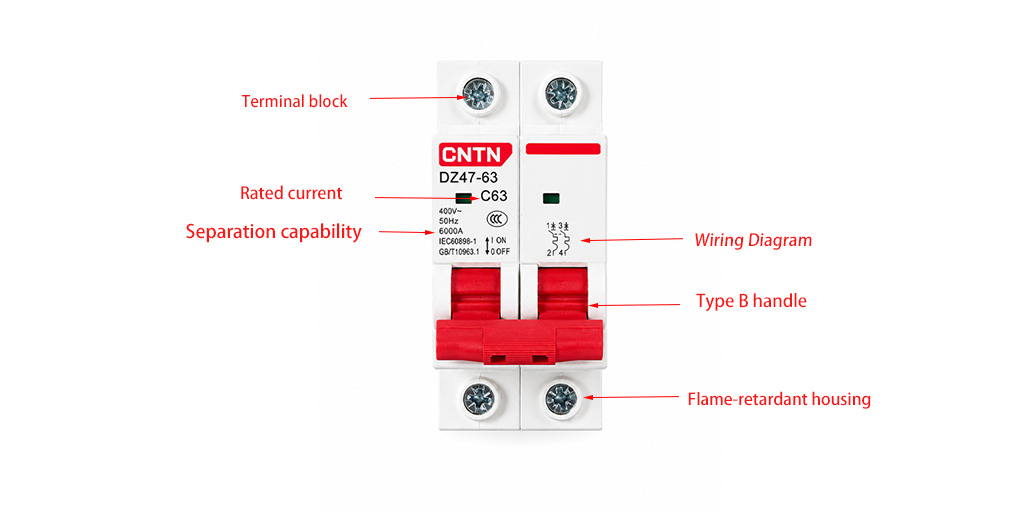
Em seguida, selecione a curva de disparo do disjuntor (MCB) adequada para o seu sistema. O tipo B é geralmente indicado para residências, o tipo C para instalações comerciais e o tipo D para máquinas com altas correntes de partida.
Considerações finais
O funcionamento dos disjuntores automáticos (MCBs) é fundamental para proteger o sistema elétrico contra sobrecargas e curtos-circuitos.
É importante conhecer alguns dos problemas mais comuns relacionados aos disjuntores miniatura (MCB), os sinais de falha desses dispositivos e como realizar o diagnóstico e a correção de problemas de maneira adequada, a fim de evitar danos ao seu equipamento e garantir uma maior segurança elétrica.
Inspeções regulares, o equilíbrio da carga elétrica, a instalação e as conexões adequadas, bem como o uso de disjuntores diferenciais (MCBs) certificados, garantirão que o sistema funcione com eficiência.
Caso um disjuntor apresentem algum defeito, superaqueça ou seja danificado, substitua-o imediatamente.
Visite o CNTN Elétrica site para conhecer nossa linha completa de produtos MCB.
Caso precise de assistência especializada, entre em contato com nossa equipe pelo site, e responderemos o mais rápido possível com a solução adequada às suas necessidades.

Perguntas frequentes
Por que meu disjuntor continua desarmando?
Os disjuntores automáticos (MCBs) desarmam por diversos motivos, como sobrecarga, curto-circuito, mau funcionamento dos dispositivos ou problemas na fiação. Identificar a causa real pode ajudar a restabelecer o funcionamento normal do sistema elétrico.
Um disjuntor defeituoso pode ser consertado?
Pequenos problemas de conexão podem ser resolvidos facilmente. Danos internos a um disjuntor, no entanto, não podem ser reparados, e é por isso que se recomenda substituí-lo.
Qual é a vida útil típica de um disjuntor?
Um disjuntor de boa qualidade pode ter uma vida útil longa, desde que seja instalado e mantido corretamente. Sobrecarga, superaquecimento e condições ambientais extremas podem reduzir sua vida útil.
Quais são os sinais de que um disjuntor está com defeito?
Entre os indicadores comuns de problemas com disjuntores automáticos (MCB) estão o disparo frequente, o superaquecimento, o cheiro de queimado, o zumbido, danos visíveis, falhas intermitentes no fornecimento de energia e um disjuntor que não pode ser reinicializado corretamente.
É seguro reiniciar repetidamente um disjuntor que desarmou?
Não. Reiniciar frequentemente um disjuntor que desarmou sem identificar o problema pode causar danos ao seu equipamento elétrico.
Quando devo substituir um disjuntor?
O disjuntor deve ser substituído se continuar desarmando, se superaquecer, se estiver queimado ou se apresentar danos físicos.
Um circuito sobrecarregado pode danificar um disjuntor?
Sim, porque a sobrecarga contínua gera calor excessivo e danifica as peças internas do disjuntor, o que prejudica a eficiência da proteção oferecida pelo MCB.
Como posso evitar problemas comuns com os disjuntores?
Realize inspeções no sistema elétrico, conecte os equipamentos elétricos corretamente, fixe a fiação, instale disjuntores diferenciais (MCBs) certificados e realize manutenção preventiva regularmente para aumentar a segurança e a confiabilidade do sistema elétrico.