تعد خصائص قواطع الدائرة المصغرة بالغة الأهمية في مجال الكهرباء.
وهي تعزز موثوقية الأعطال الناتجة عن الحمل الزائد والدوائر القصيرة. وتساعد هذه المنحنيات في تعزيز موثوقية المعدات واستقرار أداء توزيع الطاقة.
تُستخدم القواطع المصغرة على نطاق واسع في منازلنا ومكاتبنا ومصانعنا.
يجب ضبط منحنيات الانطلاق المختلفة لقاطع الدائرة المغناطيسي (MCB) وفقًا لمستوى الحمل الزائد.
بالإضافة إلى ذلك، تتحمل منحنيات مختلفة مسؤولية تحديد مستوى التفاعل مع تيارات أعطال الدائرة القصيرة. وهذا يساعد على تحسين سلامة الأنظمة الكهربائية.
في هذا الدليل، نقدم معلومات تفصيلية حول الأنواع المختلفة لمنحنيات MCB وطريقة عملها.
لا يقتصر هذا المقال على تناول الاستخدامات العملية لهذه العناصر فحسب، بل يساعد القراء أيضًا على فهم الفرق بينها.
ما هي منحنيات قواطع الدائرة المصغرة؟
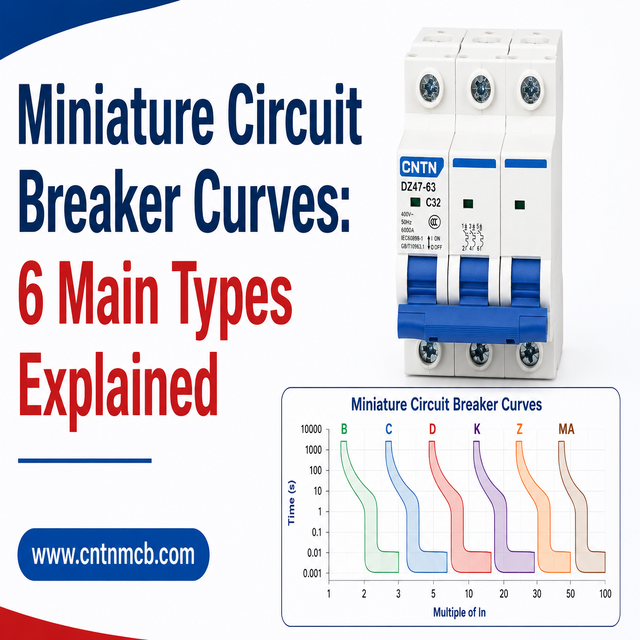
تُظهر منحنيات قواطع الدائرة المصغرة معدل استجابة قواطع الدائرة للتدفق غير الطبيعي للتيار.
تُظهر المنحنيات تدفق التيار مقابل الوقت اللازم لحدوث الانقطاع.
تساعد المنحنيات بشكل كبير في تطوير الحماية من الحمل الزائد وقصر الدائرة.
تُعد أنواع مختلفة من المنحنيات فعالة في التعامل مع أنواع متنوعة من الأحمال وظروف التشغيل. وتضمن المنحنيات المناسبة حماية فعالة للمعدات وتدفقًا آمنًا للكهرباء.
لماذا تعتبر منحنيات قاطع الدائرة الكهربائية (MCB) مهمة في الأنظمة الكهربائية؟
يمكن استخدام منحنيات MCB لضمان التنسيق الفعال للحماية الكهربائية في الدوائر المترابطة.
يعزز التنسيق الفعال سلامة المعدات أثناء حالات الحمل الزائد والأعطال.
يضمن الاختيار الصحيح لمنحنى MCB عدم حدوث أي انقطاعات غير مرغوب فيها أثناء إجراءات تشغيل المعدات.
ويساعد ذلك في ضمان الأداء الموثوق للمعدات ويقلل من تكرار انقطاعات الإنتاج.
توفر منحنيات MCB حماية كافية لمختلف الأحمال الكهربائية.
الأنواع الرئيسية لمنحنيات قواطع الدائرة المصغرة
تحدد الأنواع المختلفة لمنحنيات قواطع الدائرة المصغرة خصائص الانطلاق التي تُستخدم للتعامل مع الحماية من الحمل الزائد وقصر الدائرة في التطبيقات الكهربائية السكنية والتجارية والصناعية.
منحنى قاطع الدائرة الكهربائية من النوع B
ينقطع قاطع الدائرة الكهربائية من النوع B عندما يتراوح الحمل بين ثلاثة إلى خمسة أضعاف التيار المقنن.
يتم استخدامها بشكل متكرر في التركيبات الكهربائية المنزلية.
يحمي قاطع الدائرة الكهربائية من النوع B (MCB) دائرة الإضاءة والأحمال ذات التيار الاندفاعي المنخفض.
منحنى قاطع الدائرة الكهربائية من النوع C
تنقطع قواطع التيار الكهربائي من النوع C بشكل شبه فوري عند وصول التيار إلى ما يقارب خمسة إلى عشرة أضعاف التيار المقنن.
توفر قواطع الدائرة الحماية اللازمة للتطبيقات التجارية والصناعية.
تُعد قواطع التيار الكهربائي من النوع C مناسبة للمحركات وأنظمة التدفئة والتهوية وتكييف الهواء (HVAC)، وكذلك لتيارات الاندفاع المتوسطة.
منحنى قاطع الدائرة الكهربائية من النوع D
تتراوح مدة الانقطاع الفوري لقواطع التيار الكهربائي من النوع D بين عشرة وعشرين ضعف تيارها المقنن.
يمكن استخدام قواطع التيار الكهربائي من النوع D في المحولات والمحركات الصناعية والآلات.
وهي مصممة للعمل مع تيارات بدء كبيرة دون حدوث انقطاع غير ضروري.
منحنى قاطع الدائرة الكهربائية من النوع K
تم تصميم قاطع الدائرة الكهربائية من النوع K بحيث يتمتع بحساسية عالية تجاه الانطلاق المغناطيسي في حالات حدوث أعطال.
وغالبًا ما يُستخدم في الضواغط وأنظمة حماية المحركات.
يقطع هذا القاطع التيار بسرعة عند حدوث دوائر قصيرة أو أي حالات شاذة أخرى.
منحنى قاطع الدائرة الكهربائية من النوع Z
توفر قواطع التيار الكهربائي من النوع Z درجة عالية جدًا من الحماية للأجهزة الكهربائية الحساسة.
غالبًا ما تُستخدم قواطع التيار الكهربائي من النوع Z في مجال الإلكترونيات.
وهي توفر درجة عالية جدًا من الحماية لأجهزة أشباه الموصلات ضد أي تيارات عطل منخفضة.
منحنى قاطع الدائرة الكهربائية من النوع MA
توفر قواطع التيار المغناطيسية من النوع MA حماية تعمل بالآلية المغناطيسية فقط دون أي وظيفة للحماية من الحمل الزائد.
وغالبًا ما تُستخدم هذه الأنواع من قواطع التيار المغناطيسية (MCBs) في حماية دوائر المحركات وحدها.
لا تحتوي هذه الأجهزة على أي وظيفة لحماية من الحمل الزائد، ولا يمكنها التعامل إلا مع حالات الدائرة القصيرة.
جدول خصائص انطلاق منحنى MCB
| نوع منحنى MCB | نطاق الرحلة الفورية | التطبيقات الرئيسية | حساسية الحماية |
|---|---|---|---|
النوع ب |
3–5 × التيار المقنن |
الدوائر الكهربائية السكنية |
عالية |
النوع C |
5–10 × التيار المقنن |
المباني التجارية |
متوسط |
النوع د |
10–20 × التيار المقنن |
الآلات الثقيلة |
منخفضة |
النوع K |
استجابة مغناطيسية عالية |
الضواغط والمحركات |
عالية |
النوع Z |
عتبة خطأ منخفضة جدًّا |
حماية الأجهزة الإلكترونية |
مرتفع جدًّا |
النوع MA |
مغناطيسي فقط |
دوائر المحركات |
مخصص للتطبيق |
مبدأ عمل منحنيات قاطع الدائرة المغناطيسي (MCB)
الخطوة 1: تدفق التيار العادي
عندما تسير جميع العمليات بشكل طبيعي، يتم توزيع التيار الكهربائي بشكل سليم على الدوائر دون أن يشكل ذلك أي خطر.
ستظل ملامسات القاطع مغلقة، مما يضمن توزيعًا فعالاً للطاقة.
عندما يكون التيار مستقرًا، تتمكن الأجهزة والمعدات من العمل بفعالية.
الخطوة 2: اكتشاف الحمل الزائد
يُعرَّف الحمل الزائد بأنه تدفق التيار بشكل مستمر فوق الحد الأقصى الآمن.
تتولد الحرارة نتيجة الحمل الزائد للتيار، مما يؤدي إلى انحناء الشريط ثنائي المعدن. ويؤدي هذا الانحناء إلى حدوث انقطاع حراري داخل القاطع.
الخطوة 3: كشف الدائرة القصيرة
يؤدي الدائرة القصيرة إلى توليد تيار عطل شديد للغاية في غضون أجزاء من الميلي ثانية.
تستجيب آلية القاطع بسرعة لحالات ارتفاع التيار إلى مستويات خطيرة.
يقوم قاطع الدائرة بفصل تيارات الأعطال قبل أن تلحق أي أضرار بالمعدات.
الخطوة 4: عملية إطفاء القوس الكهربائي
يحدث تكوّن الأقواس الكهربائية عندما تُفتح نقاط التلامس في القاطع أثناء عملية إزالة العطل.
يُستخدم نظام مزلق القوس لتقسيم القوس إلى أجزاء أصغر من أجل تبريده.
يتم التخلص من الحرارة بشكل فعال من القاطع الكهربائي من خلال هذه الطريقة.
الخطوة 5: عزل الدوائر وحمايتها
يقوم قاطع الدائرة بفصل الدائرة التي تعاني من العطل عن أي مصدر للكهرباء.
تسهم وظيفة عزل الدائرة في ضمان سلامة النظام من خلال حماية جميع الأجهزة الموجودة في الدائرة من الأعطال الكهربائية.
الفرق بين منحنيات MCB المختلفة
| نوع المنحنى | سرعة الرحلة | نوع الحمولة المناسبة | التطبيقات الشائعة |
|---|---|---|---|
النوع ب |
سريع |
الأحمال المقاومة |
المنازل والإضاءة |
النوع C |
معتدل |
الحمولات المختلطة |
المكاتب وأنظمة التدفئة والتهوية وتكييف الهواء |
النوع د |
أبطأ |
أحمال التيار الداخلي العالية |
المحركات والمحولات |
النوع K |
استجابة مغناطيسية فائقة السرعة |
المحركات الصناعية |
الضواغط والآلات |
النوع Z |
سريع للغاية |
الأجهزة الإلكترونية الحساسة |
لوحات التحكم |
النوع MA |
مغناطيسي فقط |
دوائر المحركات |
الحماية الصناعية |
التطبيقات الرئيسية لمنحنيات MCB المختلفة
الأنظمة الكهربائية السكنية
يُستخدم قاطع الدائرة الكهربائية من النوع B على نطاق واسع في التركيبات الكهربائية المنزلية.
يتميز النوع «ب» بكفاءة عالية في توفير الحماية لدوائر الإضاءة والمقابس والأجهزة الكهربائية المنزلية.
وهي تتميز بحساسية عالية، مما يجعلها مناسبة للاستخدام في الحالات التي تتواجد فيها تيارات اندفاع منخفضة.
المباني التجارية
تُستخدم قواطع التيار الكهربائي من النوع C عادةً داخل المباني التجارية والمكاتب. وهي توفر الحماية للأجهزة المكتبية، ومعدات التدفئة والتهوية، والأحمال الكهربائية المركبة.
تعمل خصائص الحماية المتوازنة على تقليل حالات القطع المفرط للدائرة بواسطة القاطع أثناء التشغيل.
الآلات الصناعية
توفر قواطع التيار الكهربائي من النوع D والنوع K حماية كافية للآلات الصناعية.
وهي تُستخدم في تطبيقات المحركات والمحولات والضواغط والآلات الكهربائية الثقيلة.
إن قدرتها العالية على تحمل التيار في مرحلة التشغيل تعني أنها لا تنقطع دون داعٍ أثناء استخدامها في التطبيقات المقصودة.
المعدات الإلكترونية الحساسة
MCB من النوع Z هو قاطع دوائر كهربائية (MCB) يُستخدم لحماية الدوائر الإلكترونية من حالات الأعطال.
وتُستخدم هذه المكونات في أشباه الموصلات وكذلك في دوائر التحكم. وتساعد سرعة تشغيلها على الحد من الأضرار الناجمة عن المستويات المنخفضة لتيار العطل.
مزايا الاختيار الصحيح لمنحنى MCB
- يتم تحسين السلامة الكهربائية من خلال الكشف الدقيق عن الحمل الزائد والأعطال.
- يؤدي الاختيار الصحيح لمنحنى MCB إلى تقليل الحمل الكهربائي على المعدات ومنع تلفها.
- يؤدي تقليل الرحلات غير الضرورية إلى تحسين الكفاءة التشغيلية وزيادة وقت التشغيل.
- يتم تحسين الأداء الكهربائي المستقر من خلال تنسيق أفضل بين أنظمة الحماية.
- يتم تقليل تكاليف الصيانة في التطبيقات الصناعية بفضل توزيع الطاقة الموثوق.
كيفية اختيار منحنى MCB المناسب؟
يعتمد اختيار منحنى MCB الصحيح على نوع الحمل المتصل، ومتطلبات تيار التشغيل، والظروف العامة للنظام الكهربائي.
إن اختيار المنحنى المناسب يسهم في تحسين سلامة المعدات وأداء الحماية والاستقرار التشغيلي.
1: تقييم نوع الحمولة
يُعد تقييم أنواع الأحمال أمرًا ضروريًا لاختيار أفضل منحنى لـ MCB.
بشكل عام، تحتاج الأحمال المقاومة إلى طريقة حماية تختلف عن تلك المستخدمة مع الأحمال الحثية.
تستخدم دوائر الصواعق قواطع من النوع «ب» لضمان الحماية الآمنة. أما المحركات، فتستخدم عادةً قواطع من النوع «ج» نظرًا لارتفاع متطلبات تيار التشغيل.
| نوع الحمولة | المنحنى الموصى به |
|---|---|
الإضاءة |
النوع ب |
المحركات |
النوع C |
2: تحليل تيار بدء التشغيل
يمنع تحليل التيار خلال فترة التشغيل حدوث انقطاع خاطئ في تشغيل المعدات.
في معظم الحالات، تستهلك المعدات تيارًا كهربائيًّا خلال فترة بدء التشغيل، والذي يكون عادةً أعلى مقارنةً بتيار التشغيل العادي.
تعد المحولات والضواغط والمحركات من الأمثلة التي تولد تيارات اندفاعية.
| نوع المعدات | المنحنى الموصى به |
|---|---|
المحركات الصغيرة |
النوع C |
المتحولون |
النوع د |
3: البيئة الكهربائية
تؤثر الظروف البيئية المتعلقة بالكهرباء بشكل كبير على تشغيل القاطع ومتطلبات الحماية.
تتطلب التطبيقات المنزلية عمومًا حماية أكثر دقة من الأعطال الكهربائية.
من ناحية أخرى، يتعين على الوحدات الصناعية التعامل مع أحمال أعلى وتيارات بدء التشغيل بشكل متكرر.
| البيئة | المنحنى الموصى به |
|---|---|
سكني |
النوع ب |
الصناعي |
النوع د |
4: حساسية الحماية
تلعب الحساسية دورًا مهمًا في حماية الأجهزة الكهربائية الحساسة.
تحتاج الأجهزة شديدة الحساسية إلى قواطع كهربائية قادرة على الاستجابة لأدنى أعطال. وفي دوائر التحكم الإلكترونية، يمكن أن تكون الحساسية عاملاً بالغ الأهمية في توفير الحماية.
| المعدات | المنحنى الموصى به |
|---|---|
الإلكترونيات |
النوع Z |
دوائر التحكم |
النوع Z |
5: معايير السلامة والشهادات
تضمن معايير السلامة التزام القواطع بمعايير الأداء المقبولة.
خضعت القواطع المتوافقة مع معايير اللجنة الدولية للكهرباء (IEC) لاختبارات لتقييم أدائها.
تساهم آلات التكسير المعتمدة في رفع مستويات السلامة والاتساق في العمليات.
| قياسي | المزايا |
|---|---|
الامتثال لمعايير اللجنة الدولية للانتخابات (IEC) |
سلامة مُثبتة |
المنتجات المعتمدة |
أداء موثوق |
6: تقييم جودة المنتج من قبل الشركة المصنعة
يضمن تقييم الجودة الذي يخضع له المصنعون تحديد الموردين الجيدين للكسر بشكل فعال.
يضمن التصنيع الجيد موثوقية المنتج وسلامته.
تهدف اختبارات الجودة إلى التحقق من أداء نظام إيقاف التشغيل ومتطلبات السلامة الأخرى.
تضمن الشركات المصنعة الجيدة تقديم منتجات ذات جودة مضمونة.
| عامل التقييم | الأهمية |
|---|---|
قدرات الاختبار |
التحقق من الأداء |
مراقبة الجودة |
موثوقية ثابتة |
الأخطاء الشائعة في اختيار منحنى قاطع الدائرة الكهربائية (MCB)
- عادةً ما يؤدي اختيار القواطع بناءً على القيم المقننة للأمبير وحدها إلى عدم توفير الحماية الكافية للأحمال.
- إن عدم مراعاة تيارات التشغيل المطلوبة سيؤدي إلى انقطاع التيار المتكرر عن القاطع الكهربائي أثناء التشغيل العادي للمعدات.
- إن استخدام منحنيات MCB المستمدة من القطاع الصناعي في المناطق السكنية سيؤدي إلى انخفاض فعالية الحماية.
- إن الاختيار غير الصحيح لحساسية الانطلاق سيعرض المعدات للتلف الناجم عن الحمل الزائد والانطلاق غير المرغوب فيه للقاطعات.
- سيؤدي عدم الالتزام بتوصيات الشركة المصنعة إلى زيادة احتمالات حدوث أعطال.
نصائح لتركيب أنظمة قواطع التيار الكهربائي (MCB)
يعزز التركيب كفاءة قواطع التيار الكهربائية (MCBs) وأمانها وموثوقيتها.
يقلل الالتزام بتقنيات التركيب السليمة من احتمالية التعرض للمخاطر ويحد من فرص تلف المعدات.
يرجى توخي الحذر أثناء تركيب القاطع وصيانته وفقًا لإرشادات الشركة المصنعة.
| معامل التركيب | الإجراء الموصى به | المزايا |
|---|---|---|
تحديد مقاس الكابل |
استخدم حجم الموصل الصحيح |
يمنع ارتفاع درجة الحرارة |
توصيلات المحطة الطرفية |
أحكم ربط الأطراف بشكل آمن |
يعزز الموثوقية |
التحقق من الحمولة |
التأكد من توافق الحمولة |
يقلل من مشاكل التعثر |
الأفكار النهائية
يمكن أن يساعد فهم منحنيات قواطع الدائرة المصغرة (MCB) في تحسين السلامة الكهربائية وموثوقية النظام. ويضمن اختيار منحنى MCB المناسب أداءً مستقرًا في التطبيقات السكنية والتجارية والصناعية.
شبكة CNTN الكهربائية تقدم مجموعة واسعة من قواطع الدائرة المصغرة عالية الجودة، المصممة لتلبية احتياجات الحماية الكهربائية المختلفة والامتثال للمعايير الدولية.
تفضل بزيارة موقعنا الإلكتروني للحصول على مزيد من المعلومات حول منتجاتنا أو للاتصال بفريق الدعم لدينا.