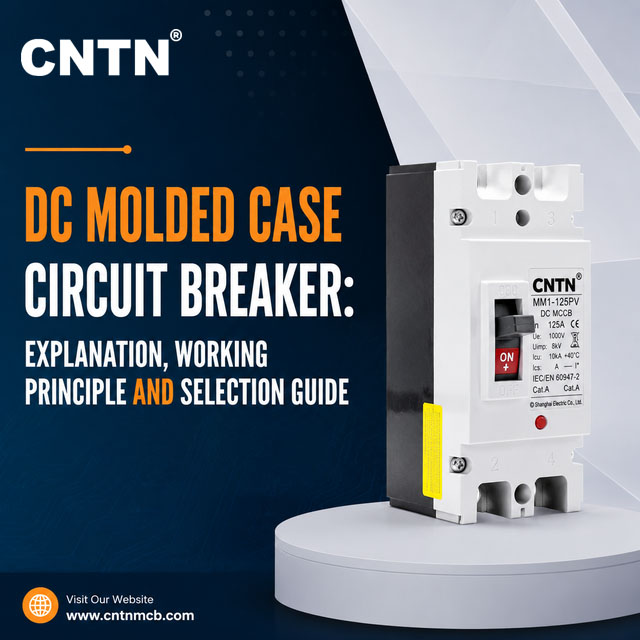
DC molded case circuit breakers play a significant role in renewable energy industries and in the protection of power circuits in industries around the world.
They work well with solar arrays, battery storage systems, EV charging stations, and industrial DC circuits.
Reliable devices for high current DC are required to protect power circuits.
DC molded case circuit breaker guards electrical circuits against the dangers posed by overcurrent, short circuits, and hazardous fault current effectively.
It enhances the performance of electrical safety, reliability, and stability in terms of distribution under harsh conditions in industries throughout the world.
In this article, you will learn about the construction, operation, components, uses, selection, and maintenance of DC MCCBs.
You will also understand the installation specifications, advantages, and protective capabilities of the devices in DC power circuits.
What is a DC Molded Case Circuit Breaker?
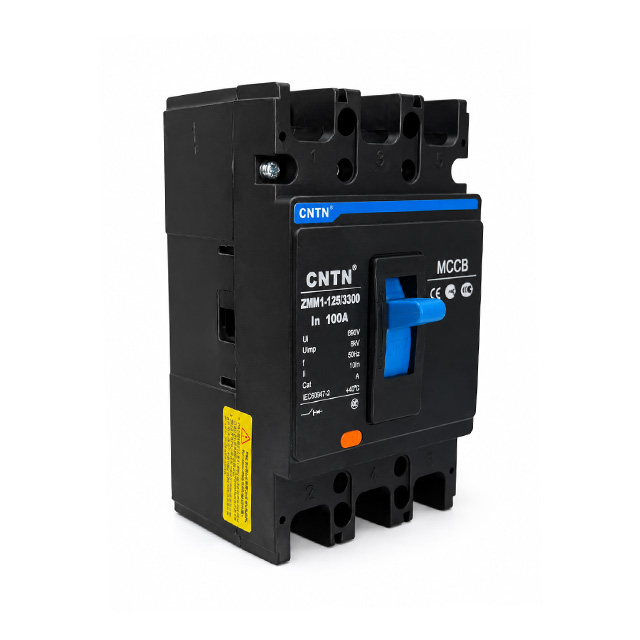
DC molded case circuit breakers are devices that provide industrial electrical protection in the form of electrical circuits that operate on direct current systems.
They are devices which protect electrical circuits from overload, short circuits, and fault current situations in a safe and efficient manner.
These circuit breakers serve to provide solutions for renewable energy, battery energy storage systems, EV charging stations, and DC power distribution in industries across the world.
While traditional MCBs can only provide limited protection, the DC MCCBs have greater breaking capacity with adjustable trip settings.
Main Components Of A DC Molded Case Circuit Breaker
The main internal components of an industrial DC molded-case circuit breaker are designed to work together in order to provide overload protection and short circuit interruption as well as stable current distribution.
| Component | Function | Material | Importance |
|---|---|---|---|
Fixed Contacts |
Conduct electrical current |
Copper alloy |
Stable current transfer |
Moving Contacts |
Interrupt electrical flow |
Silver alloy |
Fault isolation |
Arc Chute |
Extinguish electrical arc |
Heat resistant |
Safe interruption |
material | |||
Thermal Trip Unit |
Detect overload conditions |
Bimetal strip |
Overload protection |
Magnetic Trip Unit |
Detect short circuits |
Electromagnetic coil |
Instant fault interruption |
Molded Case Housing |
Protect internal components |
Insulated polymer |
Mechanical safety |
Working Principle Of DC Molded Case Circuit Breaker
A DC molded-case circuit breaker’s working principle involves continuous current monitoring and overload detection.
It also includes short circuit interruption, extinguishing arcs, and isolating faulty circuits safely in DC power systems.
Step 1: Normal Current Flow
In a state of regular operation, electric currents flow constantly throughout closed internal contacts without posing any risks to efficiency.
Constant pressure from the contacts helps ensure that the flow of electricity is constant and that the resistance of the current is low.
Step 2: Overload Detection
It is ensured that the thermal operation system continuously checks for the level of the electric currents during normal operations in the present day.
An increase in the level of the electric current makes the temperature rise, making the bimetallic strips bend owing to thermal strain.
Step 3: Short Circuit Detection
The magnetic-trip device reacts instantly when short-circuit fault currents happen in any electrical installation.
The strong electromagnetic energy causes instant disconnection of contacts in the event of short circuit fault currents very quickly nowadays.
This prevents any equipment connected from being damaged electrically.
Step 4: Arc Extinguishing Process
DC produces electrical arcs continuously since there is no natural zero crossing for the current.
DC MCCB employs modern arc chute technology to ensure quick cooling of arc and separation of electrical arc safely.
Arc splitter technology divides electrical arcs into segments and increases interruption efficiency.
This technology guarantees that electrical current is interrupted safely without any danger to breaker components due to overheating.
Step 5: Circuit Isolation and System Protection
Once the fault is isolated, the circuit breaker disconnects the electric current to the faulty part of the circuits effectively.
Equipment that is connected to the DC circuit will continue to be protected from overheating, electrical failure, and faults all around the world.
Types of DC Molded Case Circuit Breakers
Different types of DC molded case circuit breakers allow buyers to choose the best protection solution based on their current capacity, fault protection needs, industrial applications and renewable energy system conditions.
Thermal Magnetic DC MCCB
Efficient thermal magnetic DC MCCBs provide an effective combination of overload and magnetic tripping for short circuits.
This type of breaker is suitable for providing safety from electrical faults in industrial electrical power systems.
Electronic Trip DC MCCB
The overload detection and tripping of the electronic trip DC MCCB occurs through the digital protection system.
This device provides adjustable settings that enable control and automation of industries throughout the world.
Fixed Type DC MCCB
Fixed-type DC MCCB works by employing pre-set protection settings with no ability to adjust internal configuration settings.
This type is suitable for use in industrial applications that need reliable electrical protection and easy installation.
Adjustable Type DC MCCB
Adjustable types of DC MCCBs permit setting overload and fault protection parameters according to the needs of the application accurately.
These circuit breakers facilitate flexible protection against diverse conditions of operation in the industrial world.
High Voltage DC MCCB
These circuit breakers provide safe operations of electrical systems with high voltage DC operation.
This equipment helps operate the renewable energy sources, battery backup systems, and industrial high power applications efficiently around the world.
Solar and Battery Protection DC MCCB
Solar & battery protection DC MCCBs have been introduced for use in renewable energy solutions that need consistent overload interruption capacities worldwide.
This type of breaker offers enhanced protection and reliability for inverters and batteries.
Main Applications Of DC Molded Case Circuit Breakers
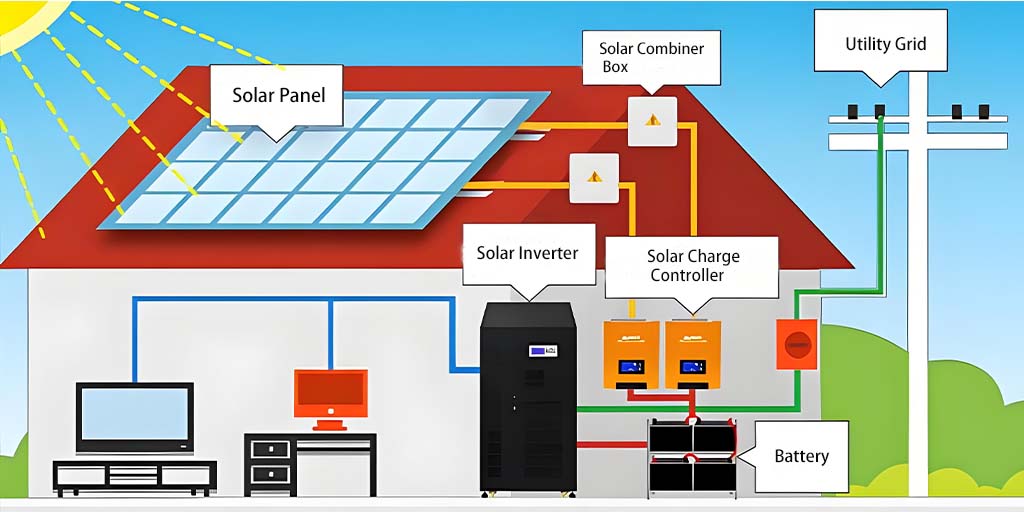
For Solar Power Systems
DC MCCB devices provide overload protection and safe fault current interruption for solar panels around the globe at present.
These devices help improve inverter safety, combiner box safety, and efficient DC distribution performance.
For Battery Energy Storage Systems
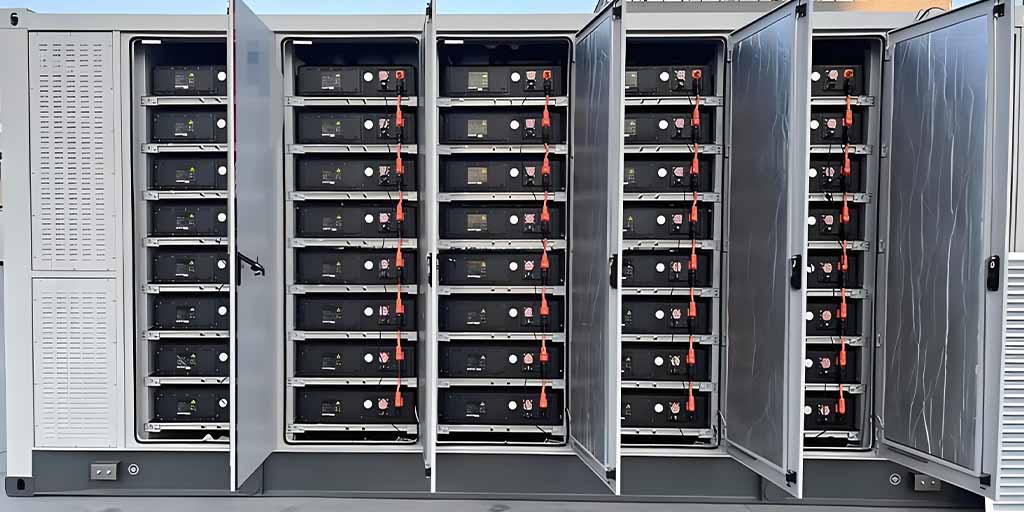
Continuous overload protection of battery storage is only possible when using DC MCCBs.
This helps to maintain safety and reliability of the power system and provides safe operation for battery banks across the world.
For EV Charging Infrastructure
There is a need for current protection equipment that provides constant, safe operations in EV charging stations.
The DC MCCB offers safety to the charging stations as well as the control of the current distribution.

For Industrial DC Distribution Systems
Overload, short circuit, and operation electrical faults need to be continuously protected against in industrial DC power systems.
DC MCCBs help increase automation system effectiveness as well as protect industrial equipment from electrical damage risk efficiently.
Advantages Of DC Molded Case Circuit Breakers
DC molded case circuit breakers are designed to offer extremely high breaking capacities for tough industrial uses as well as renewable energy projects around the globe.
They give excellent overloading protection from electrical fault situations as well as excessive electrical current conditions all over the world.
Hard industrial design increases their resistance to heat, shock, vibrations, and wear and tear.
A long period of operations lowers maintenance costs while increasing the reliability of industrial electrical systems through extended periods of operation worldwide.
The use of sophisticated arc suppression mechanisms increases the efficiency of interrupting electrical faults while minimizing the chances of electrical fires in such setups worldwide.
Difference Between DC MCCB And DC MCB
| Feature | DC MCCB | DC MCB | Main Difference |
|---|---|---|---|
Current Capacity |
10A–800A |
1A–125A |
MCCB handles higher loads |
Protection Settings |
Adjustable |
Fixed |
MCCB offers flexibility |
Application |
Industrial systems |
Residential circuits |
Different operational environments |
Breaking Capacity |
10kA–100kA |
3kA–15kA |
MCCB supports stronger fault interruption |
Physical Size |
Larger |
Smaller |
MCCB supports industrial construction |
Cost |
$80–$2500 |
$5–$80 |
MCCB provides advanced protection |
How to Choose The Right DC Molded Case Circuit Breaker
The proper selection of DC MCCBs can greatly enhance safety, performance, and reliability of the entire electrical protection system globally.
The factors that need to be considered include voltage, current rating, environmental conditions, and approval process for installation.
Good manufacturers provide better operational consistency due to their certified manufacturing process and superior electrical protection devices.
1. Voltage Rating Selection
Choosing the right voltage rating ensures that there will be no insulation breakdown and electric interruption problems.
| DC System Type | Common Voltage Range | Recommended MCCB Voltage |
|---|---|---|
Solar PV Systems |
250V–600V DC |
600V DC MCCB |
Energy Storage Systems |
600V–1000V DC |
1000V DC MCCB |
EV Charging Systems |
500V–800V DC |
800V DC MCCB |
Industrial DC Circuits |
125V–250V DC |
250V DC MCCB |
2. Current Rating Importance
The rating determines the capacity to carry loads and maintain stability under continuous loads.
| Application | Common Current | Recommended Rating |
|---|---|---|
Solar Systems |
63A–125A |
125A MCCB |
Battery Systems |
100A–250A |
250A MCCB |
EV Charging |
200A–400A |
400A MCCB |
3. Breaking Capacity Considerations
Safe fault interruption depends on the breaking capacity in situations involving dangerous short circuit currents.
| Installation Type | Fault Current | Recommended Breaking Capacity |
|---|---|---|
Residential Solar |
Low |
10kA |
Commercial Systems |
Medium |
25kA |
Industrial Systems |
High |
50kA |
4. Application Environment Evaluation
The environment has a direct impact on the longevity and functioning of the breakers within the industrial setting today.
| Environment | Main Risk | Recommended Feature |
|---|---|---|
High Temperature |
Overheating |
Heat resistant MCCB |
Outdoor Installation |
Moisture |
Waterproof enclosure |
Dusty Areas |
Contamination |
Sealed protection housing |
5. Certification Standards
Tested and certified equipment increases safety within operations and ensures industrial safety standards for electricity internationally.
| Certification | Importance | Common Region |
|---|---|---|
IEC |
International compliance |
Global |
UL |
Electrical safety approval |
North America |
CE |
European conformity |
Europe |
6. Temperature and Installation Conditions
The installation environment plays a crucial role in breaker efficiency, ability to dissipate heat, and reliability.
| Installation Condition | Main Concern | Recommended Solution |
|---|---|---|
High Heat |
Thermal stress |
Ventilated enclosure |
Limited Space |
Cooling issues |
Compact MCCB |
Vibration Areas |
Loose terminals |
Secure mounting |
7. Manufacturer Quality Importance
Reliable manufacturers enhance electrical safety through stable production systems and industrial protection technologies that are certified worldwide today.
| Manufacturer Feature | Benefit | Importance |
|---|---|---|
Automated Production |
Consistent quality |
Stable reliability |
Advanced Testing |
Better safety |
Reduced failures |
Global Certifications |
Export approval |
International compliance |
DC MCCB Failure Causes And Solutions
- Breaker trips normally occur due to overload problems, faulty settings, and unstable performance of the electrical distribution system all the time.
- Overheating of the terminals may be caused by improper wiring, under-sized wiring conductors, and overloaded currents within the electrical installation.
- Faulty arc damage is likely to occur wherever breakers exceed their interrupting capability during hazardous currents all around the globe.
- Inappropriate selection of the breaker ratings affects system performance and increases hazards of electrical failures around the world.
Installation Tips For DC Molded Case Circuit Breakers
Installation of equipment will increase the operational effectiveness and decrease the risk of electrical faults in industrial DC equipment all over the world.
| Installation Requirement | Importance | Recommended Action |
|---|---|---|
Proper Cable Sizing |
Reduces overheating |
Select correct conductor size |
Secure Terminal Tightening |
Prevents loose connections |
Apply correct torque |
Correct Polarity |
Improves safety |
Follow terminal markings |
Voltage Compatibility |
Ensures reliable operation |
Verify system voltage |
Final Thoughts
DC molded case circuit breakers provide reliable protection against overloads, short circuits, and dangerous fault currents in solar systems, EV charging stations, battery storage systems, and industrial DC power applications.
Selecting the correct DC MCCB improves electrical safety, operational stability, and long-term protection performance for modern DC electrical systems.
If you are looking for high-quality DC molded case circuit breakers from China or need professional technical support for your electrical projects, please visit CNTN Electric today. Our professional team will provide reliable DC protection solutions and reply to your inquiry within 24 hours.
FAQs
What is a DC molded case circuit breaker?
DC molded case circuit breakers serve the purpose of safeguarding the electrical circuits from overcurrent and short circuits. The breakers offer constant protection to the circuit from short circuits.
Where are DC molded case circuit breakers used?
DC MCCBs work in solar power systems, EV charging facilities, battery storage installations, and industrial electrical distribution.
They enable reliable high current protection and improved operation and distribution efficiency consistently across the globe.
What is the difference between DC MCCB and DC MCB?
As opposed to low current residential DC MCB systems, DC MCCBs allow higher rated current and are suitable for industrial applications.
MCCBs have adjustable protection settings and superior fault interruption capabilities.
How do I choose the correct DC MCCB size?
These should be carefully considered prior to installation.
Selecting the right fuses increases operation safety as well as eliminates overload and unsafe electrical interruption failures continually experienced around the world
Why is arc extinguishing important in DC MCCBs?
The direct current generates continuous electric arcs since the current cannot get to natural zero crossings when interrupted.
Modern arc quenching technology enhances electrical safety and ensures effective interruption of fault currents.