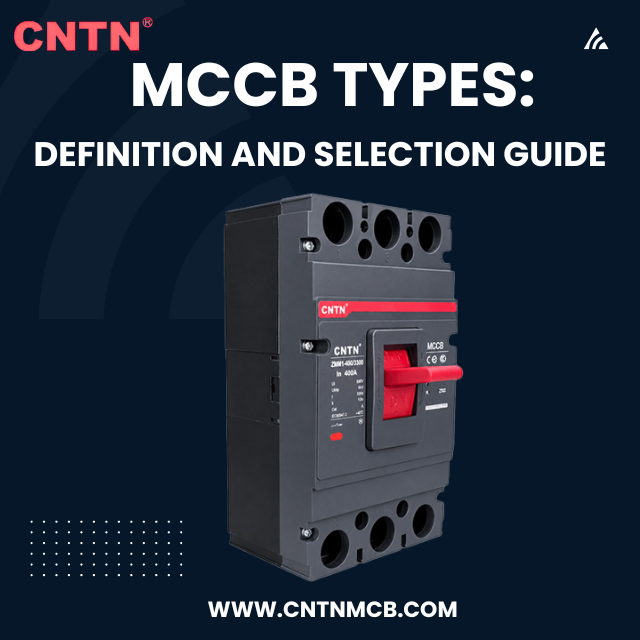
قواطع دوائر كهربائية ذات غلاف مصبوب (MCCB) له أهمية كبيرة في حماية الدوائر الكهربائية من أعطال الحمل الزائد وقصر الدائرة.
إن اختيار قاطع الدائرة المعدني (MCCB) المناسب يعزز كفاءة التشغيل ويضمن السلامة.
لكن اختيار النوع غير المناسب سيؤدي إلى عدم توفير الحماية الكافية للجهاز، وانقطاع التيار بشكل متكرر، وارتفاع تكاليف التركيب.
هناك عدة عوامل يجب أخذها في الاعتبار عند اختيار قاطع الدائرة الكهربائية (MCCB) المناسب.
ولكن يجب على المشترين أن يضعوا في اعتبارهم هذه العوامل المهمة، بما في ذلك الجهد الكهربائي، وتيار الحمل، وتيار الدائرة القصيرة المتوقع، والظروف البيئية، والتنسيق مع أجهزة الحماية الأخرى.
سيقدم فريقنا اليوم معلومات حول تعريف قاطع الدائرة الكهربائية (MCCB)، وأنواعه المختلفة، وميزاته، واستخداماته.
بالإضافة إلى ذلك، سنقدم أيضًا معلومات تفصيلية حول كيفية اختيار قاطع الدائرة الكهربائية (MCCB) المناسب. وفريقنا على أهبة الاستعداد لتقديم المساعدة لمشتري قواطع الدائرة الكهربائية (MCCB) ومقاولي الأعمال الكهربائية.
ما هو قاطع الدائرة الكهربائية القابل للانفصال (MCCB)؟
يُشار إلى MCCB باختصار «قاطع الدائرة ذو الغلاف المصبوب» (Molded Case Circuit Breaker). وهو جهاز كهربائي يهدف إلى قطع تدفق التيار في حالة حدوث حمل زائد أو عطل قصير الدائرة في الدائرة الكهربائية.
هذا النوع من القواطع محاط بعلبة مصبوبة.
يحتوي القاطع على نقاط تلامس حاملة للتيار يمر من خلالها التيار بشكل طبيعي.
يستشعر جهاز الانقطاع الموجود في القاطع أي حالة غير طبيعية ويقوم بفصل الملامسات إذا دعت الحاجة إلى الحماية.
بناءً على تصميمه، يمكن أن يكون جهاز القطع إما من النوع الحراري-المغناطيسي أو الإلكتروني.
كما يوجد في القاطع آلية لإخماد القوس الكهربائي.
تصبح هذه الآلية حيوية أثناء حدوث عطل في الدائرة الكهربائية القصيرة، حيث يتسبب القوس الكهربائي في توليد حرارة شديدة نتيجة لانفصال نقاط التلامس.
تُعد الحماية التي توفرها قواطع الدائرة ذات القفل والمفتاح (MCCBs) مفيدة في حماية الكابلات ومعدات التوزيع والأحمال.
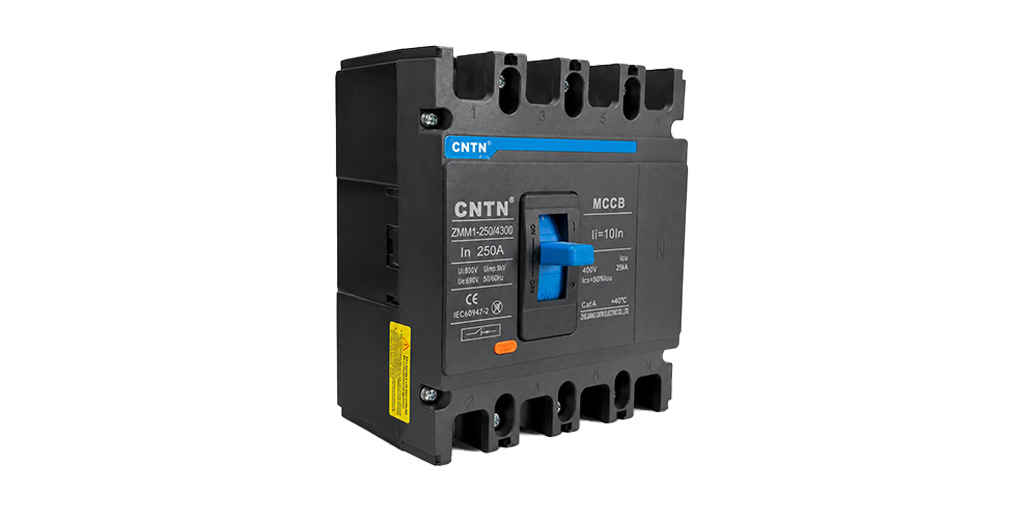
ما هي الأنواع الرئيسية لقواطع الدائرة الكهربائية ذات القاطع المغناطيسي (MCCB)؟
يمكن تصنيف قواطع الدائرة ذات الصمامات المغناطيسية (MCCBs) بناءً على آلية التشغيل، وإمكانية الضبط، وعدد الأقطاب، والقيمة الاسمية للتيار، والتطبيق.
وتساعد هذه المعرفة المشتري في اختيار القاطع المناسب لاستخدامه.
1. قاطع الدائرة المغناطيسي الحراري (MCCB)
يجمع قاطع الدائرة المغناطيسي-الحراري (MCCB) بين شكلي الحماية المغناطيسي والحراري، وقد صُمم بحيث يدمج كلا الشكلين في قاطع دائرة واحد.
يتكون الجزء الحراري عادةً من مفتاح ثنائي المعدن ينحني بعد تسخينه، مما يؤدي إلى قطع التيار الكهربائي بسبب ارتفاع درجة الحرارة الناتج عن تيار الحمل الزائد.
يتم التشغيل المغناطيسي بسرعة استجابةً لتيار العطل، وذلك لتمكين فصل قاطع الدائرة في حالة حدوث قصر في الدائرة.
تُستخدم قواطع التيار المغناطيسية الحرارية (MCCBs) على نطاق واسع في لوحات التوزيع التجارية، ودوائر الآلات، وتوزيع الطاقة.
2. قاطع الدائرة الكهربائية الإلكتروني (MCCB)
يعمل قاطع الدائرة الكهربائية الإلكتروني (MCCB) من خلال نظام استشعار إلكتروني ووحدة فصل تساعد في مراقبة التيار وقطع التيار وفقًا لشروط معينة.
عادةً ما تتضمن بعض أنواع قواطع الدائرة المعدنية (MCCBs) مزيجًا من ميزات الحماية القابلة للتعديل، سواء كانت طويلة الأمد أو قصيرة الأمد أو فورية، بالإضافة إلى ميزات الحماية من أعطال التأريض.
تتميز وحدات القطع الإلكترونية بدقة أعلى، ومراقبة أفضل، وقدرة على التنسيق مع أجهزة الحماية الأخرى.
تتميز وحدات القطع الإلكترونية أيضًا بميزات إضافية مثل القياس والإنذار والاتصالات وتسجيل الأحداث.
تُستخدم قواطع الدائرة الكهربائية ذات التحكم الميكانيكي (MCCBs) الإلكترونية في منشآت الجهد العالي، ولا سيما في المباني التجارية الكبيرة والمنشآت الصناعية.
3. قاطع الدائرة الكهربائية (MCCB) الثابت
تتميز قواطع الدائرة المتعددة الثابتة (MCCBs) بمعلمات حماية محددة مسبقًا، إما بسبب طريقة تصميمها أو بسبب الإعدادات المصنعية.
من المحتمل ألا تكون نقطة حدوث التعثر قابلة للتعديل بشكل كبير في بعض الحالات.
تُعد هذه القواطع مناسبة في الحالات التي تكون فيها الأحمال معروفة، ولا توجد حاجة لتنسيقها مع أجهزة الحماية الأخرى.
وتتمثل العيوب الرئيسية في عدم المرونة فيما يتعلق بالتغيرات في الحمل أو المتطلبات المختلفة للتنسيق. يجب على العملاء التحقق من الإعدادات الفعلية للقاطع الكهربائي.
4. قاطع الدائرة الكهربائية القابل للضبط (MCCB)
قاطع الدائرة الكهربائية القابل للتعديل (MCCB) هو جهاز يمكن من خلاله تغيير معلمة وقائية واحدة أو أكثر ضمن نطاق معين تسمح به الشركة المصنعة للمنتج.
وهذا يعتمد على التصميم المحدد لقاطع الدائرة الكهربائية القابل للانفصال (MCCB).
يُعد هذا خيارًا جيدًا عندما يحتاج المهندس إلى ضبط قاطع التيار وفقًا لخصائص تحميل معينة للدائرة، وتنسيقه مع أجهزة الحماية الأخرى سواء قبل أو بعد تلك الدائرة.
يُستخدم قاطع الدائرة الكهربائية القابل للتعديل (MCCB) في تطبيقات متنوعة، بما في ذلك شبكات التوزيع الصناعية والآلات.
ومع ذلك، يجب ألا يتجاوز التعديل الحدود التي حددها المصنع.
تمييز مهم
قد تتداخل هذه التصنيفات.
على سبيل المثال، قد يكون قاطع الدائرة المعدني (MCCB) إلكترونيًا، وقابلًا لضبط عتبة الانطلاق، وثلاثي الأقطاب، ومصممًا لتيار تصنيفي معين في آن واحد.
يجب على المشترين النظر في كل فئة على حدة، لأنها ليست فئات حصرية.
أنواع قواطع الدائرة الكهربائية (MCCB) حسب عدد الأقطاب
يشير عدد الأقطاب إلى عدد موصلات الدائرة التي يتحكم فيها قاطع الدائرة الكهربائية (MCCB).
سيتم اختيار الترتيب المناسب بناءً على طبيعة مصدر الطاقة الكهربائية، ونظام التأريض، ومتطلبات السلك المحايد.
قاطع الدائرة الكهربائية القابل للصيانة (MCCB) أحادي القطب
يتحكم قاطع الدائرة الكهربائية القابل للصيانة (MCCB) أحادي القطب في موصل واحد فقط، وقد يكون مناسبًا لتطبيقات معينة تعتمد على موصل واحد.
هذه التطبيقات أقل شيوعًا من قواطع التيار المتعدد الأقطاب (MCCBs) في العديد من أنظمة توزيع الطاقة الصناعية.
يتعين على مهندس التصميم التأكد من أن القاطع قادر على تلبية جميع متطلبات العزل والحماية.
لا يمكن الافتراض أن القاطع أحادي القطب يعزل جميع الموصلات في الدائرة.
قاطع الدائرة الكهربائية القابل للصيانة (MCCB) ثنائي القطب
يقوم قاطع الدائرة الكهربائية القابل للصيانة (MCCB) ثنائي الأقطاب بتحويل تيار موصلين، ويمكن استخدامه في الأنظمة أحادية الطور المناسبة.
اعتمادًا على تكوين النظام، قد تكون هذه الموصلات عبارة عن خط كهربائي وموصل محايد، أو موصلين حاملين للتيار.
من المهم أن يتأكد المستهلكون من تحديد الأقطاب المزودة بحماية ضد التيار الزائد، بالإضافة إلى التحقق مما إذا كان القطب المحايد محميًّا بمفتاح أم لا.
قاطع الدائرة الكهربائية القابل للصيانة (MCCB) ثلاثي الأقطاب
عادةً ما يُستخدم قاطع الدائرة الكهربائية القابل للصيانة (MCCB) ثلاثي الأقطاب في التطبيقات ثلاثية الطور.
يقوم القاطع ثلاثي الأقطاب بتحويل التيار في المراحل الثلاث، ويُستخدم في العديد من التطبيقات مثل لوحات التوزيع الصناعية، والمحركات، والمضخات، والضواغط، والآلات.
يجب أن تتمتع بمواصفات مناسبة لتطبيقات التيار والجهد والدائرة القصيرة الملائمة.
قاطع التيار الكهربائي القابل للصيانة (MCCB) رباعي الأقطاب
يعمل قاطع الدائرة الكهربائية القابل للصيانة (MCCB) رباعي الأقطاب على الموصلات ثلاثية الأطوار وكذلك على الموصل المحايد.
يُعد قاطع الدائرة الكهربائية القابل للصيانة (MCCB) رباعي الأقطاب ضروريًّا عندما تتطلب تصميمات التركيبات الكهربائية إمكانية التبديل بين الأقطاب والمحايد.
سيكون من المهم مراعاة نوع التركيب وكذلك اللوائح المعمول بها عند اختيار القاطع رباعي الأقطاب.
مقارنة بين تكوينات الأعمدة
| نوع قاطع الدائرة الكهربائية (MCCB) | عدد الأعمدة | تطبيق نموذجي | الميزة الرئيسية |
|---|---|---|---|
أحادي القطب |
1 |
دوائر محددة ذات موصل واحد |
التبديل أحادي القطب |
ثنائي القطب |
2 |
الأنظمة أحادية الطور المناسبة |
التحكم ثنائي القطب |
ثلاثي الأقطاب |
3 |
توزيع التيار الكهربائي ثلاثي الأطوار |
التبديل ثلاثي الأطوار |
4 أقطاب |
4 |
الأنظمة ثلاثية الأطوار التي تتطلب تبديل الصفر |
ثلاث مراحل بالإضافة إلى السلك المحايد |
أنواع قواطع الدائرة الكهربائية (MCCB) بناءً على خصائص القطع
تُستخدم خصائص الدائرة لتحديد كيفية استجابة القاطع لمختلف أنواع التيارات.
تساعد خصائص التيار المستهلكين على اختيار الحماية المناسبة لكابلاتهم ومحركاتهم ومحولاتهم وأجهزتهم الكهربائية الأخرى.
الانقطاع الحراري
عادةً ما يستجيب آلية القطع الحراري لحالات الحمل الزائد.
في الحالات التي يستمر فيها تدفق التيار إلى ما يتجاوز المستوى المسموح به، تتولد حرارة، وفي النهاية يتم تفعيل آلية القطع.
الانطلاق المغناطيسي
تستجيب آلية القطع المغناطيسية بسرعة عندما يصل التيار إلى عتبة عالية، كما هو الحال أثناء حدوث قصر في الدائرة. ويعتمد مستوى التشغيل الدقيق على تصميم القاطع ومواصفاته.
وحدات القطع الإلكترونية
تقوم وحدات القطع الإلكترونية بمراقبة التيار إلكترونيًّا، مع إمكانية ضبط معلمات الحماية.
وفقًا لنوع وحدة القطع الإلكترونية، قد تتوفر وظائف متنوعة، بما في ذلك التأخير الزمني القابل للتعديل والقطع الفوري.
مفتاح انقطاع ثابت وقابل للتعديل
تشير مصطلحات «الحدود الثابتة» و«الحدود القابلة للتعديل» إلى كيفية تهيئة إعدادات الحماية، وليس إلى تقنيات استشعار منفصلة.
يُعد قاطع الدائرة المغناطيسي الحراري (MCCB) ذو الرحلة الثابتة وقاطع الدائرة المغناطيسي الحراري (MCCB) الإلكتروني القابل للضبط مثالين على تركيبات مختلفة.
مقارنة خصائص الرحلات
عند اختيار قاطع الدائرة المغناطيسي (MCCB)، يُنصح العملاء بالاطلاع على خصائص الانقطاع الفعلية، ومعدل الاستجابة، والتأخير الزمني للجهاز.
لا تُعد الفئة بحد ذاتها مؤشراً على القدرة على التنسيق مع أجهزة الحماية الأخرى.
| نوع الرحلة | الوظيفة الرئيسية | الرد أو الإعداد | مناسب لـ |
|---|---|---|---|
الحراري |
الحماية من التحميل الزائد |
Time-delayed response |
Sustained overloads |
Magnetic |
High-current fault protection |
Rapid response |
Short-circuit faults |
Electronic |
Configurable protection |
Settings depend on trip unit |
Industrial distribution |
ثابت |
Predetermined protection settings |
Limited adjustment |
Standardized loads |
قابل للتعديل |
Flexible protection settings |
User-configured within permitted limits |
Variable loads and coordination |
MCCB Types Based On Current Rating
MCCB comes in different ratings and sizes of frames according to the electrical load.
The rated current denotes the current that the breaker is capable of carrying, while the frame size represents its product size.
These values are related but are not interchangeable. A frame may support several current ratings or trip-unit options, depending on the manufacturer’s product range.
- Lower-current MCCBs may suit smaller distribution circuits and modest loads.
- Medium-current models are often used for commercial distribution, subdistribution panels, and machinery.
- Higher-current MCCBs may be appropriate for main distribution boards, large industrial loads, and substantial power distribution circuits.
No single current range separates these categories since the rating and frame sizes differ among manufacturers and product lines.
When selecting an adjustable type of breaker, the consumer will need to determine the adjustment range of the trip unit.
The frame size alone will not be sufficient basis for choosing a breaker, but rather the ratings of the breaker.
MCCB Breaking Capacity: What Does It Mean?
MCCB breaking capacity refers to the maximum current that can be interrupted by a circuit breaker under particular conditions.
It is perhaps one of the most significant things to consider when choosing a breaker to install in an electrical setup.
Short circuits happen where there is an accidental low resistance that causes the flow of very high currents. Prospective fault current is the current that would flow if a fault happens at a particular location in an electrical setup.
Therefore, buyers must determine the prospective fault current at the installation location and compare it with the breaking capacity of the MCCB.
Icu: Ultimate Short-Circuit Breaking Capacity
Icu is the ultimate short-circuit breaking capacity.
It indicates the short-circuit current level the breaker can interrupt under the specified test conditions.
It does not, by itself, guarantee that the breaker will remain suitable for continued normal service afterward.
Ics: Service Short-Circuit Breaking Capacity
ICS stands for the service short circuit breaking capacity.
This parameter is associated with the capability of the breaker to interrupt the specified current fault and also comply with all post test serviceability requirements.
ICS is normally presented as a percent of Icu; however, the range of values is determined by the specific product and standard applied.
ICS is used to specify the performance after the required tests; however, Icu represents the maximum interruption capability.
Selection Principle
MCCB’s breaking capacity must be suitable for the prospective short-circuit current at the installation point.
Buyers should also review applicable backup protection and coordination requirements.
MCCB Ratings: What Specifications Should Buyers Check?
Selecting an MCCB requires reviewing several technical specifications, not just the ampere rating.
A breaker with the correct current rating may still be unsuitable if its voltage, breaking capacity, pole configuration, or trip characteristics do not match the installation.
The following table summarizes important specifications buyers should review before purchasing an MCCB.
| المواصفات | What It Means |
|---|---|
التيار المقنن |
Current the MCCB is designed to carry under specified conditions |
الجهد المقنن |
Voltage for which the MCCB is rated for the specified application |
عدد الأعمدة |
Number of conductors the breaker is designed to switch |
وحدة العناية المركزة |
Ultimate short-circuit breaking capacity |
Ics |
Service short-circuit breaking capacity |
وحدة التعثر |
Mechanism that senses faults and initiates tripping |
التردد |
Compatible AC system frequency, where applicable |
Frame Size |
MCCB frame or current class within the product range |
Buyer should also look at the trip curve, adjustment range, terminal capacity, mounting system, auxiliary contacts, shunt trips, undervoltage releases, and any other necessary accessories.
For installations involving severe environmental conditions, ambient temperature considerations, effect of enclosures, altitude derating, and installation instructions specific to the manufacturer may also become a factor.
The full technical data sheet is important because even if two MCCBs have nearly identical current capacities, specifications can differ from one series to another.
MCCB Selection Guide: How To Select An MCCB

The selection of appropriate MCCB calls for an analysis of the circuit, faults that might occur, and environmental conditions.
The following process will help to select appropriate MCCBs and check their specifications.
1. Determine the load current
Calculate the expected operating current using the supply voltage, load power, power factor, and efficiency where applicable.
For three-phase loads, use the appropriate three-phase calculation. Consider continuous operation, starting current, conductor ampacity, and applicable electrical design requirements before choosing a rating.
2. Check the system voltage
Check the nominal system voltage and the pole-to-pole voltage during normal operation.
The MCCB should have the appropriate operating voltage rating for its use. Also check the manufacturer’s rating for the AC or DC circuit.
3. Select the number of poles
Choose a suitable two-pole configuration for applicable single-phase systems, a three-pole MCCB for typical three-phase circuits, or a four-pole model where neutral switching is required.
Confirm neutral protection and isolation requirements against the system design and local standards.
4. Determine the short-circuit current
Find the expected fault current from studies or calculations of the power system or from the data source of supply.
Choose a suitable MCCB having sufficient Icu value at that particular voltage level. The Ics values should also be considered.
5. Choose the trip type
Thermal-magnetic MCCBs can suit many standard distribution circuits.
Electronic trip units may be preferable when precise adjustment, time delays, monitoring, or selective coordination is important.
Compare fixed and adjustable options according to the required protection functions.
6. Check the current adjustment range
Regarding an adjustable MCCB, make sure the desired setting is within the allowed range from the manufacturer.
The setting should protect the circuit conductors and equipment; there should be no use of flexibility to allow an improper breaker size.
7. Consider ambient temperature
High temperatures can affect current-carrying performance and trip behavior.
Check manufacturer derating information and consider the temperature inside the panel rather than relying only on the surrounding room temperature.
8. Review installation conditions
Check dimensions of panel enclosure, ventilation, clearance, altitude, moisture, dust, and any other environmental factors.
Ensure that you meet any derating requirements and select the appropriate enclosure or accessories to use.
9. Consider selective coordination
Review the characteristics of upstream and downstream protective devices.
Appropriate coordination can help isolate faults closer to their source and reduce unnecessary shutdowns.
Use manufacturer coordination tables or engineering studies when required.
10. Verify standards and manufacturer data
Verify standards, product certification, accessories, terminal configuration, and installation instructions.
Review the datasheet for the specific model before making your purchase to verify that the selected circuit breaker is appropriate for your application.
MCCB Vs MCB: Which One Should You Choose?
MCCBs and Miniature Circuit Breakers (MCBs) both provide protection against overcurrent conditions, but they are designed for different ranges of applications
The best choice depends on load requirements, fault levels, adjustment needs, and the electrical distribution design.
MCCB vs MCB Comparison
| الميزة | MCCB | MCB |
|---|---|---|
Current capacity |
Generally higher |
Generally lower |
قدرة التحمل القصوى |
Often higher, model-dependent |
Often lower, model-dependent |
Trip adjustment |
Available on many models |
Usually limited |
التطبيقات |
Commercial and industrial distribution |
Residential and light commercial circuits |
الحجم |
Generally larger |
Generally more compact |
Protection flexibility |
Often greater |
Usually simpler |
Coordination options |
Broad options in suitable product ranges |
Depends on the device and system |
Common MCCB Applications
MCCBs are used in many electrical installations because they can provide suitable overload and short-circuit protection across a wide range of current ratings and system configurations.
- Industrial power distribution:MCCBs protect distribution feeders supplying production equipment, workshops, and industrial subpanels. Breaking capacity and coordination are especially important where fault levels are high.
- Commercial buildings:Office buildings, shopping centers, and large facilities use MCCBs in suitable main and sub distribution circuits to protect feeders and electrical equipment.
- Motors and machinery:MCCBs can provide short-circuit and overload protection when properly selected and configured. Motor starting currents and coordination with contactors and overload relays must be considered.
- Generator systems:MCCBs may protect generator outputs or connected distribution circuits. Their ratings must suit generator fault characteristics and the system’s operating arrangement.
- Transformer protection:MCCBs may protect transformer-connected circuits when their ratings and protection characteristics suit transformer inrush current and available fault current.
- Solar power systems:Suitable MCCBs may be used in applicable AC distribution circuits and in specifically rated DC applications. Buyers must verify DC voltage, polarity, interruption ratings, and product suitability.
- Main distribution panels:MCCBs can protect incoming or outgoing feeders and help coordinate distribution circuits.
Common Mistakes When Selecting An MCCB
Even a reputable MCCB can be unsuitable if it does not match the circuit’s requirements. Avoid these common selection mistakes:
- Selecting only by ampere rating:The current rating must suit the load and conductor design, but voltage, trip characteristics, and breaking capacity also matter.
- Ignoring prospective short-circuit current:An MCCB with insufficient breaking capacity may be unable to interrupt the available fault current safely.
- Choosing an incorrect voltage rating:Verify the system voltage and the manufacturer’s rated operational voltage for the intended application.
- Selecting the wrong number of poles:An unsuitable pole arrangement may fail to meet the system’s switching or isolation requirements.
- تجاهل خصائص الرحلة:The trip curve and settings must protect the circuit without causing inappropriate tripping during normal operating conditions.
- Choosing unsuitable breaking capacity:Check Icu at the applicable voltage and review Ics where continued serviceability after interruption is important.
- Ignoring ambient temperature:High panel temperatures may require derating or a different breaker selection.
- Forgetting selective coordination:Poor coordination can cause an upstream breaker to trip unnecessarily, interrupting more of the installation than needed.
- Choosing only by price:A lower purchase price may not represent the best value if the breaker lacks required ratings, accessories, or protection functions.
- Skipping the technical datasheet:Similar-looking MCCBs can have different ratings and limitations. Verify the exact model before approving a purchase.
MCCB Selection Checklist
This is a practical checklist to use prior to buying your MCCB. It ensures that buyers, assemblers, and electrical contractors ensure all design features have been met in order to avoid buying the wrong item.
- Load current calculated
- System voltage confirmed
- Number of poles selected
- Prospective short-circuit current determined
- Icu and Ics checked
- Trip mechanism selected
- Fixed or adjustable trip confirmed
- Current adjustment range checked
- Ambient temperature and derating considered
- Installation conditions reviewed
- Selective coordination requirements considered
- Applicable standards and certifications verified
- Manufacturer’s technical datasheet reviewed
الأفكار النهائية
Following a proper selection procedure for MCCB would help the buyers make proper purchase decisions. Below these parameters play an important role in deciding the compatibility of the breaker for the specific circuit.
Apart from choosing an appropriate breaker according to the load current to be supplied, buyers need to look at the trip mechanism, voltage rating, number of poles, current rating, breaking capacity, and environmental conditions.
سي إن تي إن إلكتريك provides MCCB solutions for industrial and commercial power distribution applications. Visit our website to explore the available MCCB products and contact the team for product specifications, pricing, and assistance in selecting a suitable circuit breaker for your requirements.