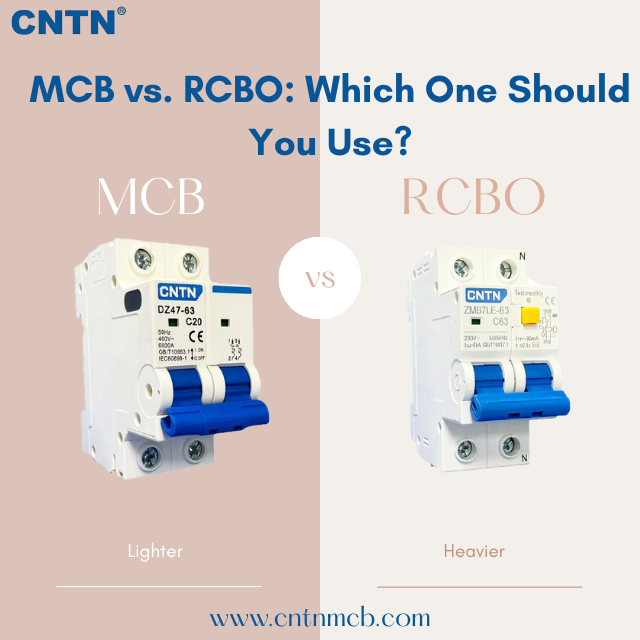
Both MCBs and RCBOs are crucial circuit protection components used in domestic, commercial, and industrial electrical installations.
In the process of choosing between MCB and RCBO, each of these components offers various levels of protection.
The choice of the proper device protects the circuits from any overload and short circuit conditions.
The earth leakage protection offered by RCBOs makes them ideal for cases when electrical safety needs to be enhanced.
In this blog, we will explain major differences between MCB vs RCBO.
We will cover working principle of both devices, advantages and disadvantages.
However, we will also give knowledge in which circumstances you should use both devices.
What Is An MCB?
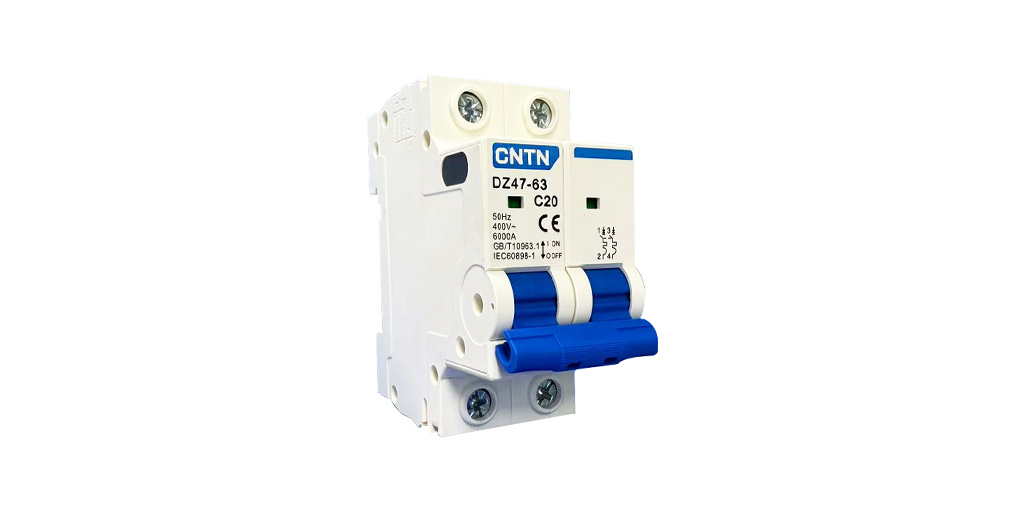
Miniature Circuit Breakers (MCBs) are automatic devices that help protect the electrical circuit in cases of overloading or short circuiting.
These breakers use magnetic and thermal elements to detect faults and de-energize the circuit.
They are often used in lighting circuits, socket outlets, distribution boards, and general electrical installations.
What Is An RCBO?
RCBO is an acronym of Residual Current Circuit Breaker With Overcurrent.
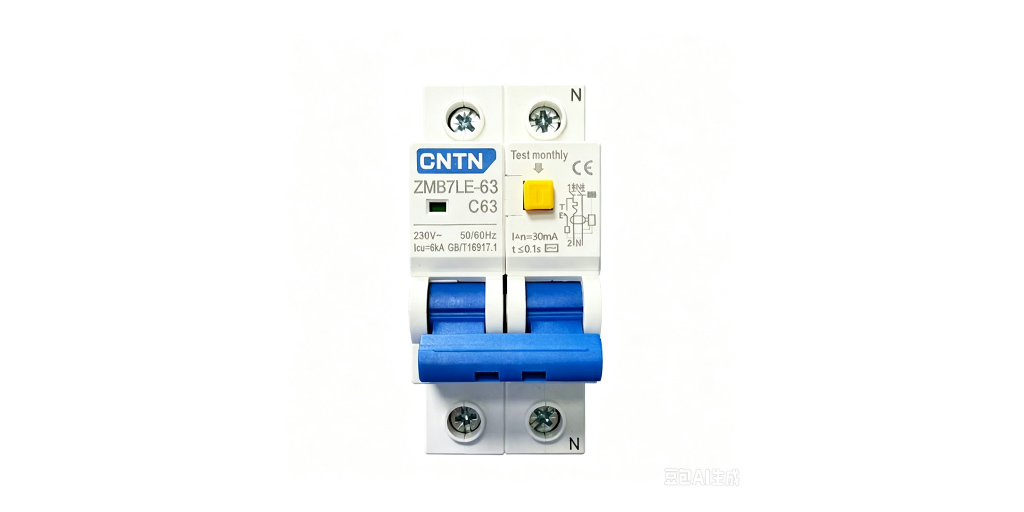
An RCBO consists of the features of an MCB with earth fault protection.
It is designed to protect the circuit from overloads, short circuits, and residual currents.
How Do MCBs And RCBOs Work?
MCB Working Principle
The MCB utilizes thermal as well as magnetic tripping for protection of electrical circuits.
The thermal part is used when there is a long-time overload while the magnetic trip acts instantly upon occurrence of a short circuit.
RCBO Working Principle
The RCBO is a combination of thermal and magnetic protection along with a device that detects residual currents.
The device continuously checks the balance of currents and trips if there is leakage danger.
The tripping leads to the circuit being disconnected.
MCB Vs RCBO: Key Differences
Comparison between MCBs and RCBOs can assist customers to know their level of protection, installation requirements, and applications.
Below is the table provides a comparison between two devices.
| Comparison Factor | MCB | RCBO |
|---|---|---|
Main Protection |
Overload and short circuit |
Overload, short circuit, and residual current |
Earth Leakage Protection |
Not provided |
Provided |
Circuit Configuration |
Separate protection may be required |
Integrated protection |
Space Requirement |
Depends on additional devices |
More compact for combined protection |
Installation Cost |
Generally lower per device |
Generally higher per device |
Fault Identification |
Basic circuit protection |
More comprehensive circuit protection |
Typical Applications |
Standard circuits |
Safety critical or leakage sensitive circuits |
Protection Scope |
Limited |
Broader |
When Should You Use An MCB?
MCBs are appropriate for standard circuits where overloading and short-circuiting are the major concerns.
These breakers can also be used where earth fault protection is separately provided by an RCD.
Lighting Circuits:
MCBs provide reliable overload and short circuit protection for standard residential and commercial lighting systems.
Socket Circuits:
They protect general socket circuits from excessive current and sudden short circuit faults during normal operation.
Distribution Boards:
MCBs work well for separating multiple branch circuits inside residential and commercial distribution boards.
RCD-Protected Circuits:
They are suitable when an existing RCD already provides required earth leakage protection.
Cost-Sensitive Systems:
MCBs can offer economical circuit protection when residual current protection is provided separately.
When Should You Use An RCBO?
An RCBO is the type of device that is recommended for use in cases where there is a need for overcurrent and earth leakage protection for each circuit separately.
Individual Circuit Protection:
RCBOs protect individual circuits from overload, short circuit, and earth leakage faults.
Higher Leakage Risks:
They are useful where electrical equipment or installation conditions create increased leakage current risks.
Residential Installations:
RCBOs provide strong protection for individual household circuits, improving safety and reducing unnecessary circuit interruptions.
Outdoor Circuits:
Outdoor circuits can benefit from additional residual current protection because moisture increases electrical leakage risks.
Sensitive Equipment:
RCBOs can protect important equipment by quickly disconnecting circuits when dangerous leakage conditions occur.
MCB Vs RCBO: Advantages And Limitations
MCB Advantages
- Simple Protection:MCBs offer reliable protection against overload and short circuit in many common electrical circuits.
- Lower Cost:MCBs tend to be cheaper than RCBOs if only overcurrent protection is needed.
- Easy Installation:Their simple design makes MCBs straightforward to install and maintain in standard distribution boards.
- Wide Availability:MCBs are readily available in different current ratings, pole arrangements, and trip curves.
MCB Limitations
- No Leakage Protection:MCBs do not monitor earth leakage current; other protective devices may therefore be necessary.
- Additional Devices:RCD protection can be costly regarding space and installation difficulties.
- Limited Protection Scope:MCB’s have lesser coverage than RCBO, which combines several features of protection.
RCBO Advantages
- Combined Protection:A single RCBO device offers protection against overload, short-circuit, and residual current.
- Improved Safety:Earth Leakage Detection offers extra safety in case of hazardous electrical fault conditions.
- Individual Isolation:Each individual circuit can be individually protected, which helps reduce disruptions to other circuits.
- Space Efficiency:The RCBO can minimize the necessity for separate protective equipment in many types of distribution boards.
RCBO Limitations
- Higher Cost:The cost of RCBOs is usually higher since they offer several protective features.
- Installation Requirements:Good connections and proper wiring are essential for proper functioning of RCBOs.
- Technical Selection:Buyers should look into other specifications including residual current and characteristics of trip mechanism.
Choosing Between MCB And RCBO: Step-by-Step Guide
The selection of either an MCB or RCBO depends on considerations such as the type of circuit, protective requirements, electrical ratings, space in the control panel, cost, and other safety standards.
Step 1: Identify the Circuit Type
First of all, one should consider what type of circuit protection is needed in order to provide protection of lights, switches, appliances, outside or industrial equipment.
It will depend on the kind of circuit.
Step 2: Determine Required Protection
Determine if the circuit needs protection from overload and short circuit or if additional protection from earth leakage is also required.
RCBOs can be used in situations where combined protection is required for individual circuits.
Step 3: Check Rated Voltage
It is imperative that the voltage of the electrical circuit is known prior to choosing either an MCB or RCBO since the capacity of the device needs to be compatible with the circuit.
Step 4: Calculate the Required Current Rating
Identify the load of the circuit prior to deciding on the right rating in order to avoid unnecessary tripping as well as to ensure the circuit breaker will protect the wiring and other equipment.
Step 5: Evaluate Earth Leakage Risk
Think about the risk associated with moisture, environment, electrical appliance, or sensitive machinery, which increases the risk of leakage.
In such cases, where the need for protection against leakage arises, one can use an RCBO.
Step 6: Consider Available Panel Space
Remember to take into account the size of the distribution board before purchasing the protection devices.
Use of RCBOs will assist in designing an effective protection system that is smaller in size.
Step 7: Compare Cost and Long-Term Value
Consider the buying price against the cost of installation, maintenance, safety, and replacing the device.
Sometimes a more expensive unit can be worth the money if more extensive protection is needed.
Step 8: Verify Certifications and Standards
It is essential to check electrical standards and certification prior to purchase. It is safer and better when dealing with certified products.
Applications Of MCBs And RCBOs
MCB and RCBO are extensively employed in various electrical systems to offer circuit protection and ensure safe and reliable system performance.
Residential Electrical Systems
MCBs are extensively used in houses for lighting, sockets, and circuit protection.
RCBOs are more suitable for those circuits which need additional protection from earth leakage.
The use of RCBOs can increase safety in places like kitchens, bathrooms, and outdoors.
Commercial Buildings
Residential buildings use MCBs and RCBOs in lighting, socket, HVAC, and equipment circuits.
MCBs can protect normal loads while RCBOs offer further protection for circuits which require individual residual current protection.
Industrial Electrical Panels
MCBs can be used for smaller branch circuits and control purposes in industrial panels.
RCBOs may help to provide better leakage protection when there is a need for increased electrical safety.
Solar and Renewable Energy Systems
A solar power system requires a good DC and/or AC protection depending on its design.
Overcurrent protection can be provided by the use of MCBs and good RCBOs may be utilized on compatible AC circuits if necessary.
Outdoor Electrical Circuits
Outdoors, circuitry will be exposed to elements like moisture and weather, as well as wear and tear, which may heighten electrical hazards.
RCBOs are usually a good idea, because there is an extra safeguard provided by residual current protection.
Office and Retail Installations
Lighting fixtures, computers, computer monitors, sockets, and many other electrical loads are found in offices and retail shops.
MCBs offer overcurrent protection, whereas RCBOs offer leakage protection for selected circuits.
Sensitive Electrical Equipment
Some sensitive devices need a reliable circuit protection system.
RCBO offers circuit isolation and leakage protection individually, whereas MCB is ideal for those circuits that only need overload and short circuit protection.
Distribution Boards
Protective devices are utilized in distribution boards to split the system into manageable circuits.
MCB is often used for general branch protection, whereas the RCBO covers wider protection of individual circuits.
Common Mistakes When Choosing Between MCB And RCBO
- Ignoring Leakage Protection:Choosing an MCB without considering earth leakage risks can leave circuits without important residual current protection.
- Wrong Current Rating:Selecting an unsuitable current rating may cause nuisance tripping or fail to provide proper cable protection.
- Focusing Only on Price:Choosing the cheapest device can increase long-term costs through poor reliability, replacement, or maintenance needs.
- Ignoring Panel Space:Failing to check available space can create installation problems when multiple protective devices are required.
- Buying Uncertified Products:Unverified products may provide uncertain protection and create safety risks during electrical faults or overload conditions.
Technical Checklist Before Purchasing
Prior to the buying of MCBs and RCBOs, check out their electrical specifications with respect to your circuit needs.
Ensure the documents, installation conditions, protection, and certification.
| Specification | Why It Matters | What to Verify |
|---|---|---|
Rated Voltage |
System compatibility |
Product datasheet |
Rated Current |
Load protection |
Load calculation |
Breaking Capacity |
Fault protection |
Technical specifications |
Number of Poles |
Circuit isolation |
Wiring design |
Residual Current Rating |
Leakage protection |
RCBO specifications |
Trip Characteristics |
Circuit performance |
Manufacturer data |
Certification |
Safety compliance |
Certification documents |
Product Quality |
Long-term reliability |
Manufacturer information |
Installation Considerations For MCBs And RCBOs
It is important to install the components of circuit protection in the right way.
The correct wiring, polarity, cables, terminals, and circuit marking need to be done.
After installing the circuit breaker, carry out tests to see whether the component works in the right way.
Maintenance And Testing Tips
Maintenance is crucial for proper functioning of MCBs and RCBOs. Through regular inspection, possible dangers such as damage, poor contacts, overheating, and many others can be detected.
Visual Inspection
Check the apparatus for any damage, discoloration, overheating, cracking, any loose connections, or anything out of the ordinary.
Early detection will help avoid any failures, and provide better circuit protection.
Terminal Inspection
Ensure that the connections at terminals are free from loose fittings, overheating, or resistance issues.
Well-secured connections ensure that there is smooth electrical performance without overheating problems.
Trip Testing
Tests of protection devices must be done as per the manufacturer’s guidelines and standards.
Testing ensures that MCBs and RCBOs are capable of disconnecting circuits under faulty conditions.
Circuit Monitoring
Look for symptoms such as frequent trips, overheating, overload situations, and recurring electrical faults.
This could mean that there are some wiring issues or overload on electrical devices.
Replacement Planning
Replacement should be considered for any aging, malfunctioning, or untrustworthy protective equipment.
The timely replacement of such equipment is very important for ensuring effective circuit protection.
Final Thoughts
The main difference factor MCB and RCBO selection is which protection each device can give.
MCBs protect from overload and short circuits. But RCBOs have overload, short circuit, and residual current protection.
The right device to choose will be dependent on what the circuit needs, the risk of leakage, available space, and other safety considerations.
It is always important to ensure that you use the correct type and size of device by an established manufacturer.
For critical circuits, it is more sensible to compare overall benefits than cost.
Please visit the CNTN Electric website to view our MCB and RCBO products.