MCBs and RCBOs are critical circuit protective devices which have a wide variety of applications ranging from residential and commercial to industrial and electrical distribution systems.
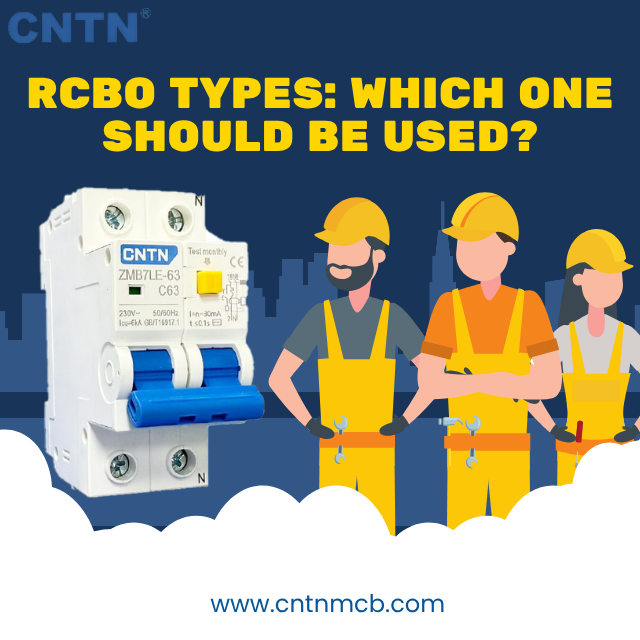
RCBO Types are essential as it assists in selecting appropriate protection based on the type of load.
The importance of selecting the right RCBO arises due to the possibility of overloading, short circuiting, and fault current of residual nature in the electrical circuit.
Various types of RCBOs have various degrees of residual current detection capabilities.
This guide provides information on the types of RCBOs, how they work, what they can be used for, what benefits and drawbacks they offer, and how to select them.
The guide also offers information on installation issues, specifications, maintenance and purchase tips.
Why Do RCBO Types Matter?
Different electrical loads will give different types of residual current behavior.
Therefore, it is vital to make the right selection when choosing RCBOs in order to guarantee protection.
This will make the installation safer for everyone and minimize unnecessary tripping.
Purchasers should select their RCBOs depending on the voltage, current, and load.
What is an RCBO?
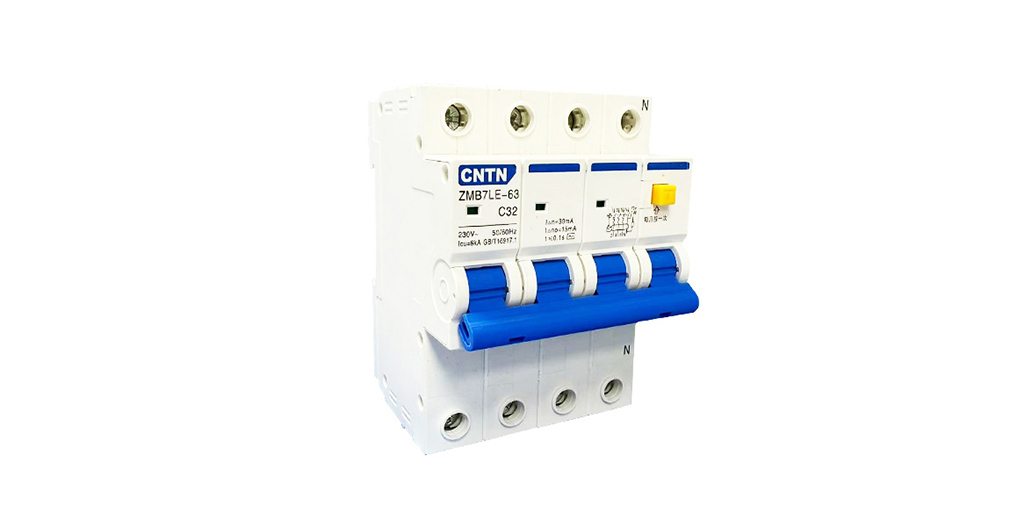
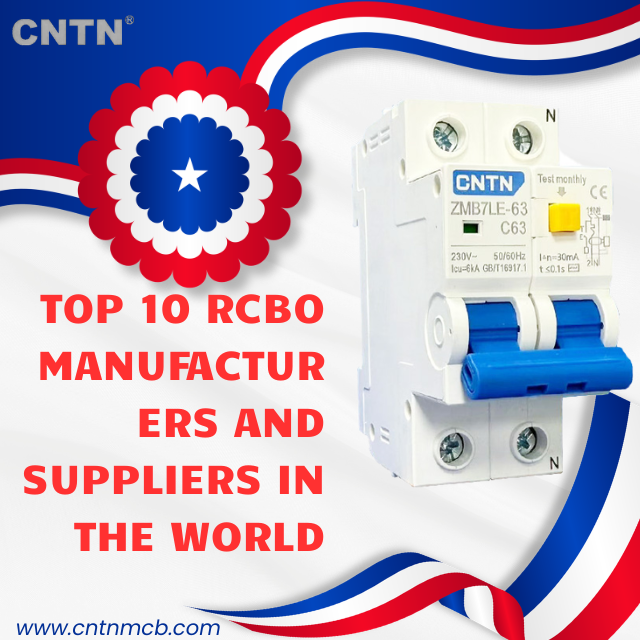
RCBO stands for “Residual Current Breaker with Overcurrent Protection.”
This is a type of circuit protection equipment that integrates the features of miniature circuit breakers with residual current protection.
RCBOs ensure the protection of electrical circuits from any kind of overload, short circuits, and earth leakage.
RCBOs observe the current status of the circuit and automatically disconnect it in case of any fault.
Main Types Of RCBOs
Various RCBO types offer varying degrees of residual current protection. It is important to understand their features to enable consumers to use them on appropriate electrical loads.
Type AC RCBO
AC RCBOs of type AC are intended to identify residual faults of standard alternating current.
Such devices are usually good for standard AC loads with simple electrical properties.
Typical uses include normal lighting and standard resistive apparatuses.
The only disadvantage of such devices is that they cannot always offer proper protection for electronic loads.
Type A RCBO
Type A RCBOs respond to both AC and pulsed DC residual currents.
This makes them better adapted to use with electronic devices.
They are often used in domestic and commercial installations that have appliances and electronic control systems.
Type F RCBO
Type F RCBOs offer protection from AC, pulsating DC, and mixed frequency types of residual currents.
They cater to relatively sophisticated electronic installations such as those with variable speed drives and other similar loads.
This is because they detect a wider range of residual current types.
Type B RCBO
Type B RCBOs have detection capabilities for AC, pulsating DC, and DC residual currents.
This device is designed to be used in specific electrical installations that require residual current detection of wider ranges.
Some applications would be in advanced power electronics and certain installations that might have smooth DC leakage.
RCBO Types Comparison
Comparing RCBO types helps buyers understand their residual-current detection capabilities and select protection that matches the electrical characteristics of the intended circuit.
| Comparison Factor | Type AC | Type A | Type F | Type B |
|---|---|---|---|---|
Residual Current Detection |
AC |
AC + Pulsating DC |
AC + Pulsating DC + Mixed Frequency |
AC + Pulsating DC + Smooth DC |
Typical Applications |
Basic AC Loads |
Electronic Equipment |
Advanced Electronic Loads |
Specialized Systems |
Protection Scope |
Basic |
Broader |
Advanced |
Broadest |
Application Complexity |
Low |
Medium |
Medium–High |
High |
Typical Selection Need |
Standard Loads |
Modern Appliances |
Variable-Speed Equipment |
Specialized Equipment |
How Do Different RCBO Types Work?
Protection offered by different RCBOs varies depending on different residual currents.
Knowing how these work is beneficial in helping consumers make an informed choice when buying them.
RCBO Working Principle
The RCBO is designed to sense the amount of current that flows into and out of the circuit that it is protecting.
In usual conditions, both the values are equal. However, when a differential current is created due to any fault, the RCBO trips and cuts off the power supply.
How RCBO Sensitivity Affects Protection
Sensitivity of RCBO decides the amount of residual current that needs to be detected before the operation of the device.
Selection of sensitivity is essential for ensuring safety of human beings and equipment in addition to preventing unnecessary tripping.
Sensitivity needed shall be decided based on certain requirements.
When Should You Use Each RCBO Type?
The various types of RCBOs have been developed for different loads and residual currents. This is discussed in detail in the next few paragraphs.
Type AC — Best for Basic AC Loads
Type AC RCBOs may work well with basic AC loads that exhibit normal electrical behavior.
They can be used in situations where only simple AC residual current detection is needed, such as in lighting or resistive circuits.
It is advised that users do not use them with equipment whose residual currents cannot be detected by these devices.
Type A — Best for Modern Electronic Equipment
Type A RCBOs are typically better suited to circuits that have electronic devices operating within them.
This is because Type A RCBOs can detect AC and pulsating DC residual currents, making them ideal for use with appliances and electronic power supplies.
Type F — Best for Advanced Electronic Loads
RCBO Type F are appropriate for certain advanced electronic loads that could have mixed frequency residual current.
They can be used in equipment using variable speed drives and other related equipment that requires broader detection of residual current for effective circuit protection.
Type B — Best for Specialized Electrical Systems
The type B RCBO ensures greater residual current detection, which includes smooth DC currents.
They are suitable for unique electrical installations that require advanced protection.
The installation should be well thought out since the right RCBO will depend on the nature of the equipment and residual currents.
Step-by-Step Guide To Choosing The Right RCBO Type
Selection of RCBO entails an analysis of the circuit, load, electrical ratings, protection considerations, installation considerations, and standards before making a selection.
Step 1: Identify the Electrical Load
First, identify the equipment associated with the circuit. Identify if the circuit is loaded with simple AC equipment, electronic equipment, variable-speed loads, or power electronic equipment.
Knowing the load will help determine the type of RCBO that can give residual current protection.
Step 2: Determine the Residual Current Type
Recognize the types of residual current which may arise during normal operation or electrical failures.
Determine the possibility of the occurrence of AC, pulsating DC, dual frequency, or smooth DC residual current before choosing an appropriate RCBO.
Step 3: Check the Circuit Voltage
Ensure that the voltage of the electrical circuit is known prior to choosing the RCBO.
The voltage rating of the circuit breaker should coincide with that of the circuit for safe operations.
Step 4: Calculate the Required Current Rating
Determine the expected circuit load and then choose the appropriate rated current.
It is advisable to make the rating such that it will protect the circuits and connected equipment from damage without unnecessary tripping.
Step 5: Select the Appropriate RCBO Type
Compare the determined loads to the types of AC, A, F, or B RCBOs that may be available.
Choose the appropriate type that can offer proper residual current protection without having unnecessary protection for the circuit.
Step 6: Check Breaking Capacity
Check whether the RCBO has sufficient breaking capacity for the fault current expected to arise during installation.
Sufficient breaking capacity makes it possible for the RCBO to safely interrupt fault currents whenever necessary.
Step 7: Verify Pole Configuration
Choose the correct number of poles depending on the circuit design and isolation requirements.
The correct choice of poles will facilitate circuit disconnect, wiring layout, and coordination with the electricity supply network.
Step 8: Check Certifications and Standards
When making a purchase, check for the necessary certifications and electrical standards.
Products that have been certified can be considered safer, better quality, and more compliant than those without technical documents.
RCBO Selection Comparison
Technical specifications should be compared before purchasing because voltage, current, residual-current rating, breaking capacity, poles, and certifications directly influence protection performance.
| Specification | Why It Matters | What to Verify |
|---|---|---|
RCBO Type |
Matches residual current characteristics |
Product datasheet |
Rated Current |
Prevents overload |
Load calculation |
Rated Voltage |
Ensures system compatibility |
Technical specifications |
Residual Current Rating |
Determines leakage protection |
RCBO datasheet |
Breaking Capacity |
Handles fault currents |
Manufacturer data |
Number of Poles |
Supports proper circuit isolation |
Wiring design |
Trip Characteristics |
Affects circuit response |
Product documentation |
Certification |
Confirms compliance |
Certification documents |
Every specification should be checked against the intended circuit to ensure compatibility, reliable operation, and appropriate electrical protection.
Common Applications Of Different RCBO Types
Various electrical environments need protection depending on the type of equipment they have, the working environment and possible residual current hazards in them.
The examples below highlight various uses for different types of RCBOs.
Residential Electrical Systems
In residential installations, RCBOs are used for lighting, sockets, appliance protection, kitchens, bathrooms, and other individual circuits.
Type A protection can be sufficient for the most modern electronic appliances, but the RCBO should be selected according to the residual-current characteristic of the appliance.
Commercial Buildings
The commercial building will have lighting, HVAC systems, office equipment, plug sockets and other loads.
In the selection of RCBOs, there must be an individual evaluation of the circuits especially where electronic equipment or high leakage is present.
Office and Retail Installations
Workstations and retail outlets have computers, displays, lights, electronics, and outlets for general purpose use.
Appropriate RCBOs provide safety to circuits from overloading, short-circuiting, and residual current and ensure effective functioning of electricity.
Industrial Electrical Systems
The industrial installation could include motors, control gear, electrical drives, mechanical devices, and specific electrical loads.
The type F or type B protection could be selected in some cases where the devices produce more complicated residual currents.
Solar and Renewable Energy Systems
Solar PV systems may comprise electronic power converters as well as other types of equipment that have particular characteristics with regard to residual current.
Selection of the RCBO should take place according to the system design and the needs of the equipment, providing appropriate protection for compatible AC systems.
Electric Vehicle Charging Systems
The EV charging apparatus may have intricate electrical properties, as well as DC residual current.
Appropriate residual current protection will depend on the type of charging system that has been designed, and its manufacturer specifications.
Sensitive Electronic Equipment
The sensitive electronic equipment might need the careful selection of residual current protection so that unwanted tripping can be prevented without compromising safety.
Depending upon the characteristics of the equipment and residual currents in the system, a type A, F, or B protector might be considered.
Specialized Electrical Installations
Such installations can include special equipment, either for medical purposes, industry, renewable energy, or electronics that require special protective devices.
It is necessary to conduct thorough analysis of parameters such as residual currents, rating values, breaking capacity and standards before choosing an RCBO.
Common Mistakes When Selecting RCBO Types
- Choosing Type AC for unsuitable loads:Selecting Type AC for electronic equipment can provide inadequate residual-current detection and reduce the intended protection level.
- Ignoring residual-current characteristics:Buyers may overlook the type of leakage current produced by equipment, resulting in inappropriate RCBO selection.
- Selecting the wrong current rating:An unsuitable current rating can cause unwanted tripping or fail to provide appropriate overload protection.
- Ignoring breaking capacity:Choosing insufficient breaking capacity can prevent the device from safely interrupting prospective fault currents.
- Buying uncertified products:Products without reliable certification or technical documentation may create unnecessary safety, compliance, and long-term reliability concerns.
Technical Checklist Before Purchasing An RCBO
A technical checklist helps buyers compare RCBO specifications systematically and verify that each product matches the electrical circuit, safety requirements, and installation conditions.
| Specification | Importance | Verification |
|---|---|---|
RCBO Type |
Correct residual-current detection |
Product datasheet |
Rated Voltage |
System compatibility |
Manufacturer data |
Rated Current |
Load protection |
Load calculation |
Residual Current Rating |
Leakage protection |
Technical specifications |
Breaking Capacity |
Fault protection |
Product datasheet |
Number of Poles |
Circuit isolation |
Wiring plan |
Trip Characteristics |
Circuit performance |
Manufacturer documentation |
Certification |
Safety compliance |
Certification documents |
Product Quality |
Long-term reliability |
Manufacturer information |
Installation Considerations For RCBOs
The proper installation of RCBO should entail correct wiring, correct polarity, right size of the cables, correct connection of the terminals, and a right rating for the device.
Circuit identification should take place for each circuit, and testing is done to check proper functioning after installation. Correct installation and testing ensure proper function of the RCBO.
Maintenance And Testing Tips
RCBOs need regular maintenance to ensure that they continue to function as expected.
Below is a list of procedures that may help diagnose any issues beforehand.
Visual Inspection
Check the RCBO for any signs of physical damage, discoloration, overheating, cracks, or other abnormalities on a frequent basis.
It will help to avoid any unforeseen problems with circuit protection.
Terminal Inspection
Check the connection of the terminals to see whether they are loose or have any other problems, which may result in overheating.
Tight connections will ensure consistent electrical performance and prevent overheating.
Trip Testing
Testing RCBO must be done following the manufacturer’s guidelines and the electrical standards.
Testing ensures that the residual current protection functions properly and breaks the circuit when there is a proper fault situation.
Circuit Monitoring
Be on the lookout for any regular tripping, overload, leakage, and electrical failures.
Regular disruptions could mean that there are some issues with the wiring or the load is too heavy.
Replacement Planning
Assess the need for replacing RCBOs that are old, faulty, or otherwise unreliable.
Replacement will help ensure continued protection from faults and avoid circuit failures.
Final Thoughts
Various types of RCBOs have unique residual current protection abilities, which makes it vital to select the correct type. A, B, AC, A, F types of RCBOs cater to different uses because of their unique ways of detection.
Consumers should be keen on the electrical load, type of residual current, rated current, voltage, breaking capacity, number of poles, and certificates of the products before buying them.
Certified products from reliable original manufacturers offer greater assurance regarding performance and regulatory compliance; you can choose CNTN Electrical with confidence.

Frequently Asked Questions
What are the main types of RCBOs?
There are four types of RCBOs including AC type, Type A, Type F, and Type B, which are meant for specific residual current applications.
What is the difference between Type AC and Type A RCBO?
Type AC is used for detecting residual currents of normal AC, whereas type A can detect pulsating DC residual currents from modern electronics.
When should Type F RCBOs be used?
Type F RCBOs can be used in certain electronic applications that produce residual currents at mixed frequencies.
When is a Type B RCBO required?
Type B RCBOs might be essential in unique systems that require the detection of AC, pulsating DC, and smooth DC residual currents.
Which RCBO type is best for residential applications?
A type is often applicable in many modern residential circuits that have electronic appliances but depends upon the equipment specifications.
How do I choose the correct RCBO rating?
Before choosing an RCBO, verify the voltage of the circuit, load current, breaking capacity, residual current rating, pole configuration, and equipment requirements.
Can an RCBO protect against overload and earth leakage?
Absolutely. The RCBO integrates overcurrent and residual current protection in one, thus safeguarding the circuits from any overloads and earth leakage.
What certifications should buyers check when purchasing RCBOs?
Buyers need to check all the electrical certifications, standards, manufacturer’s manuals, and testing details for confirming the compliance of products to the installation requirements.